June 22, 2026
Embracing Natural Forms in an Art Nouveau Photoshoot
The purpose of my work was never to destroy but always to create: to construct bridges, because we must live in the hope that humankind will draw together and that the better we understand each other, the easier this will become.”
– Alphonse Mucha
Art Nouveau Photoshoot: The Vision
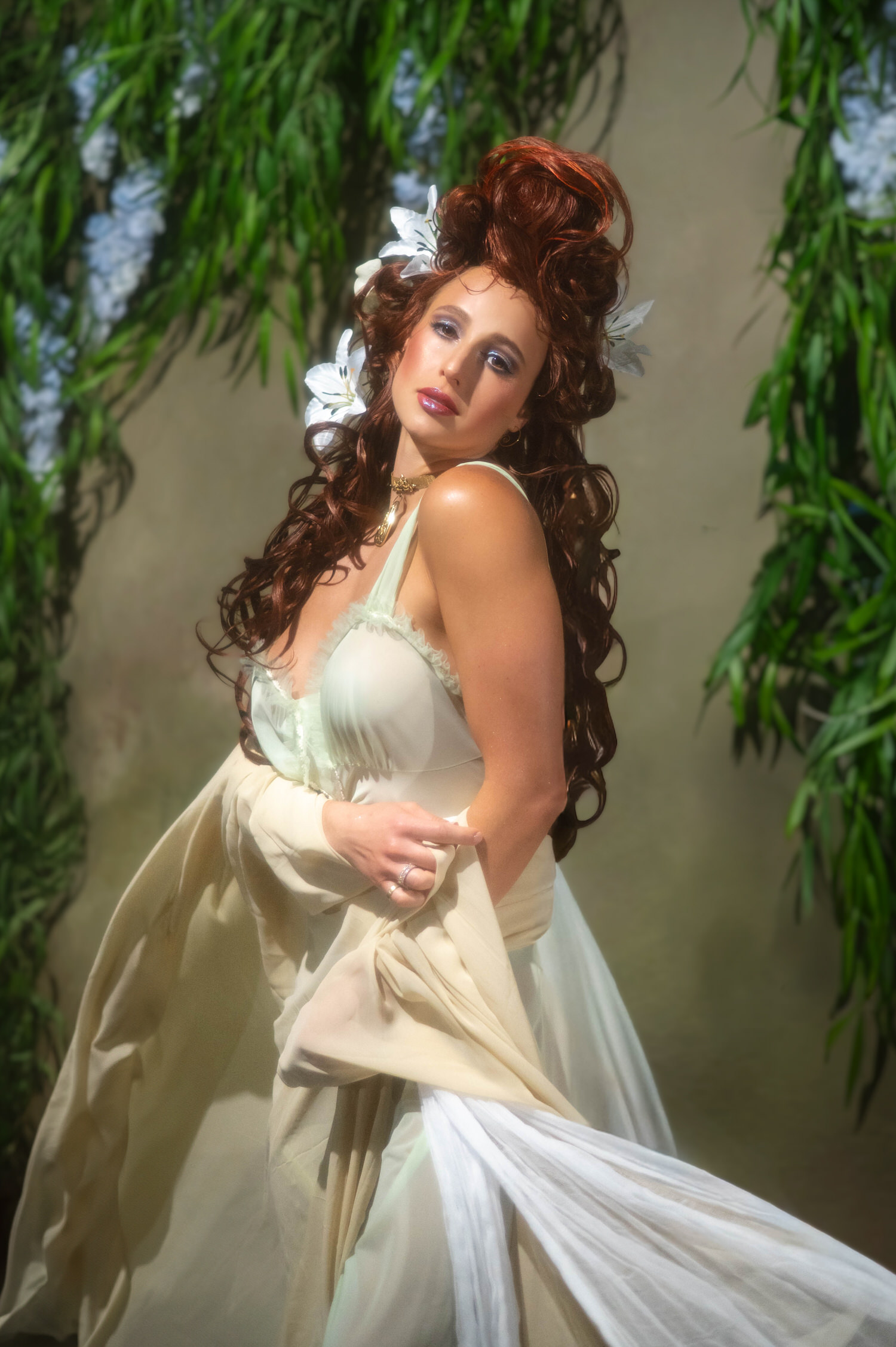
Every now and then a creative idea blooms that feels like stepping directly into another era. This Art Nouveau photoshoot was one of those moments. I’ve always been enchanted by the Art Nouveau movement – the way it turns forms into curves, nature into ornament, and women into symbols of beauty and strength.
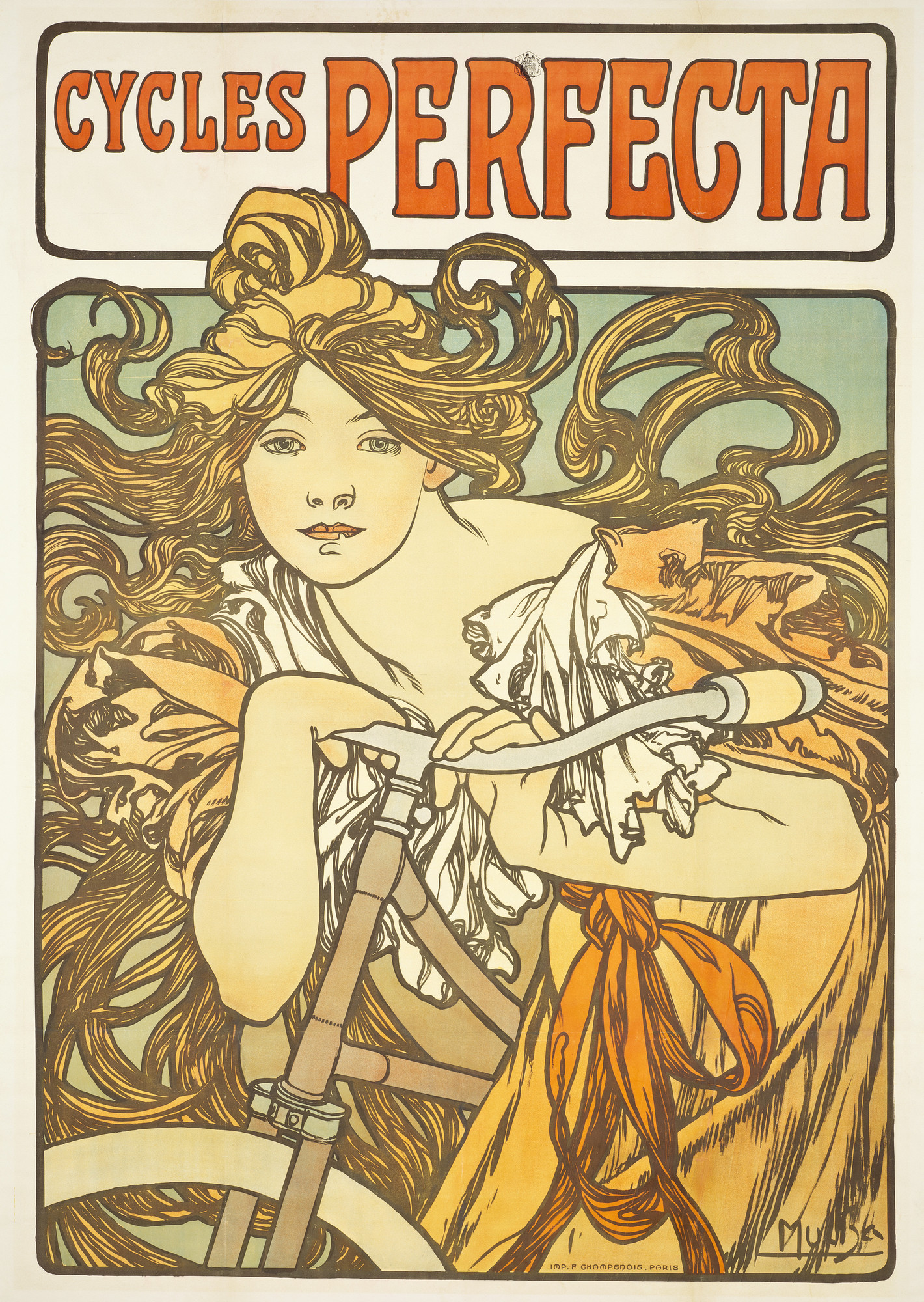
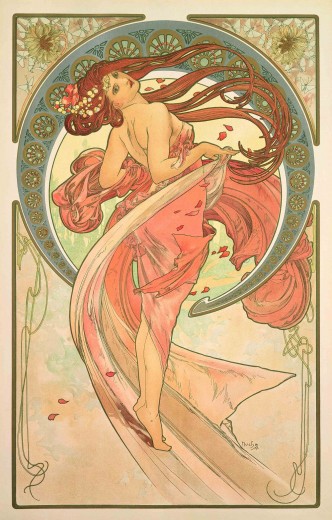
For this project, I wanted to pay tribute to the work of Alphonse Mucha, whose portraits of women defined the movement. His art feels divine and romantic, feelings I always like to evoke in my own work.
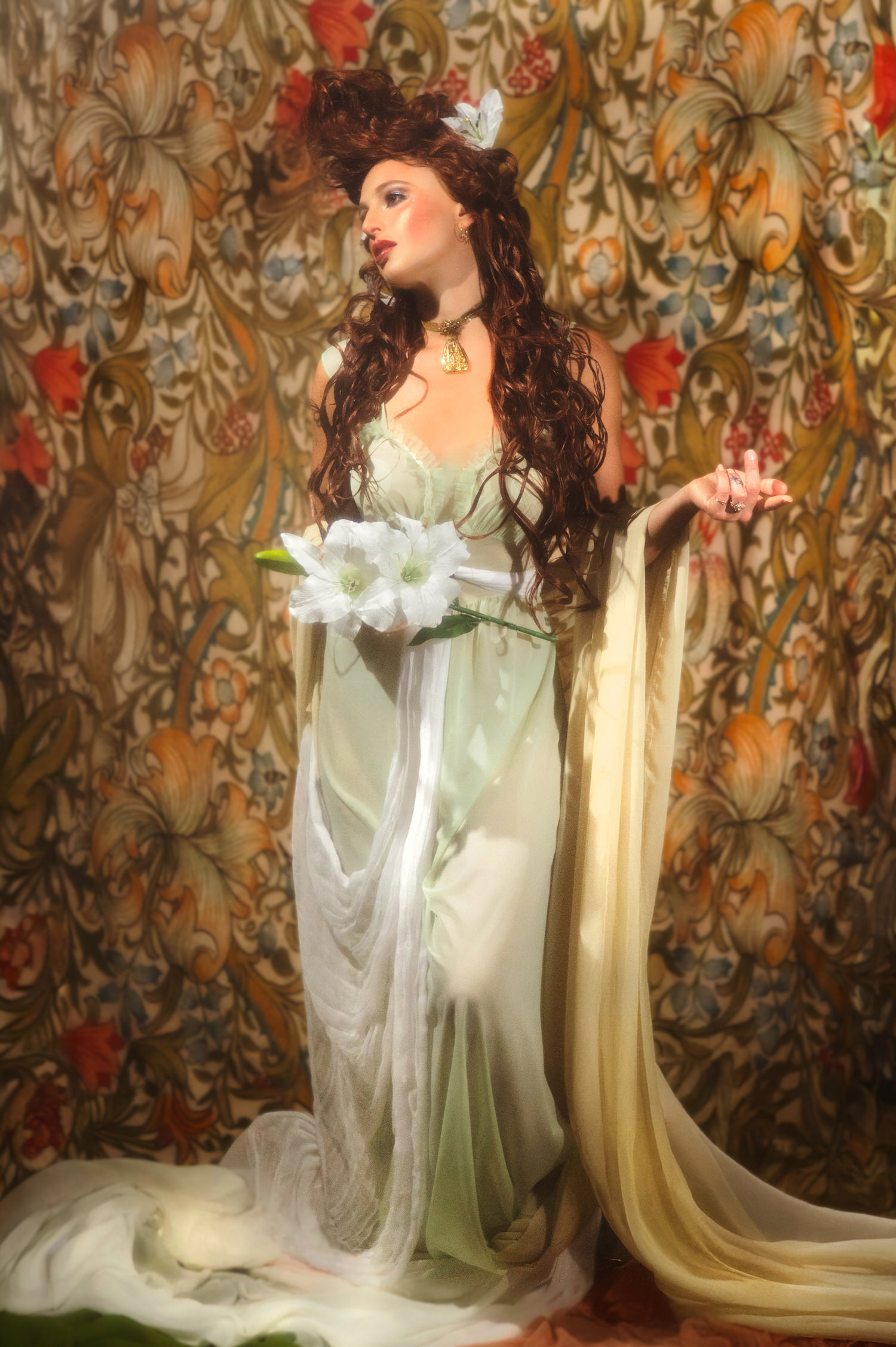
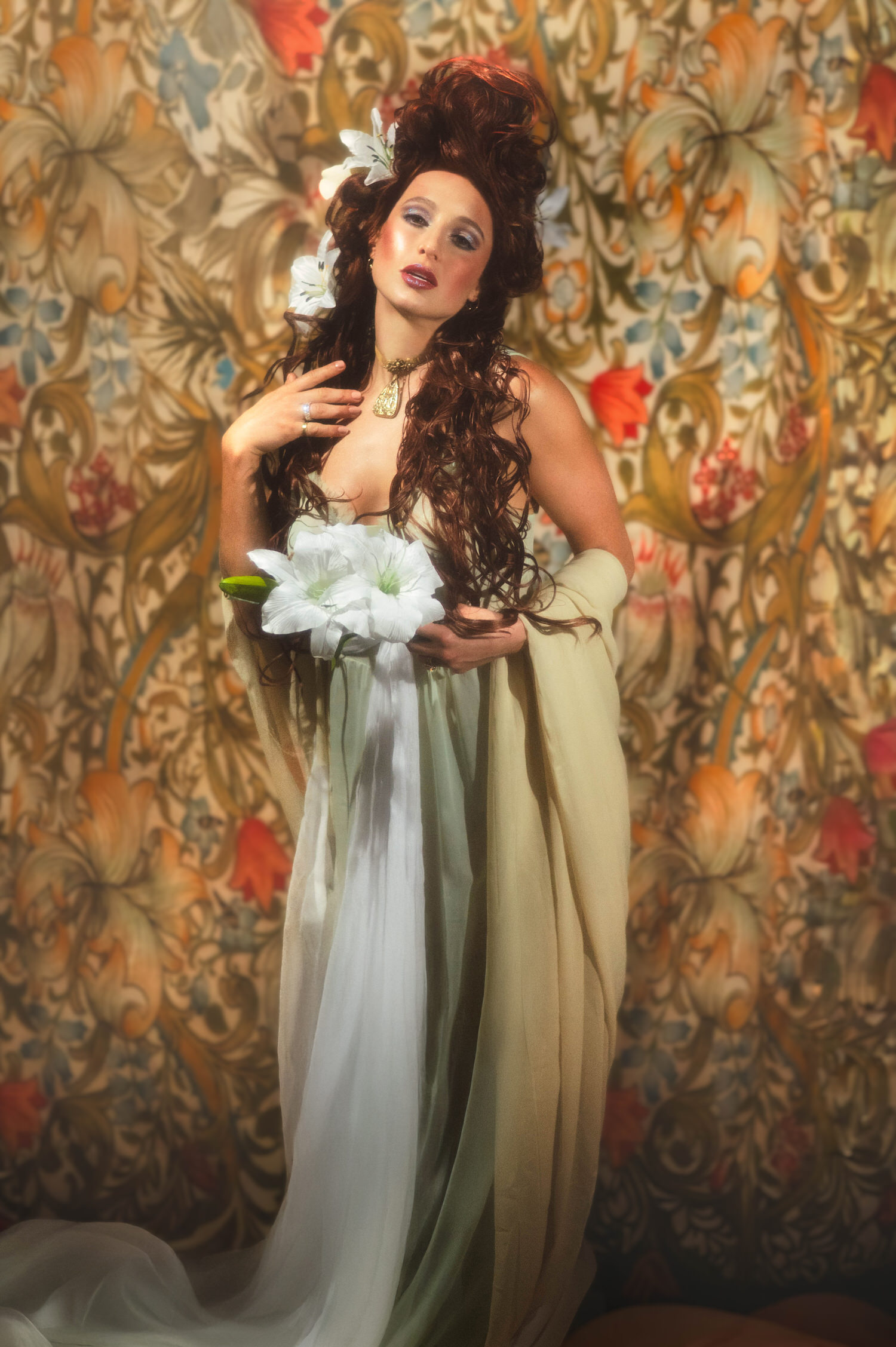
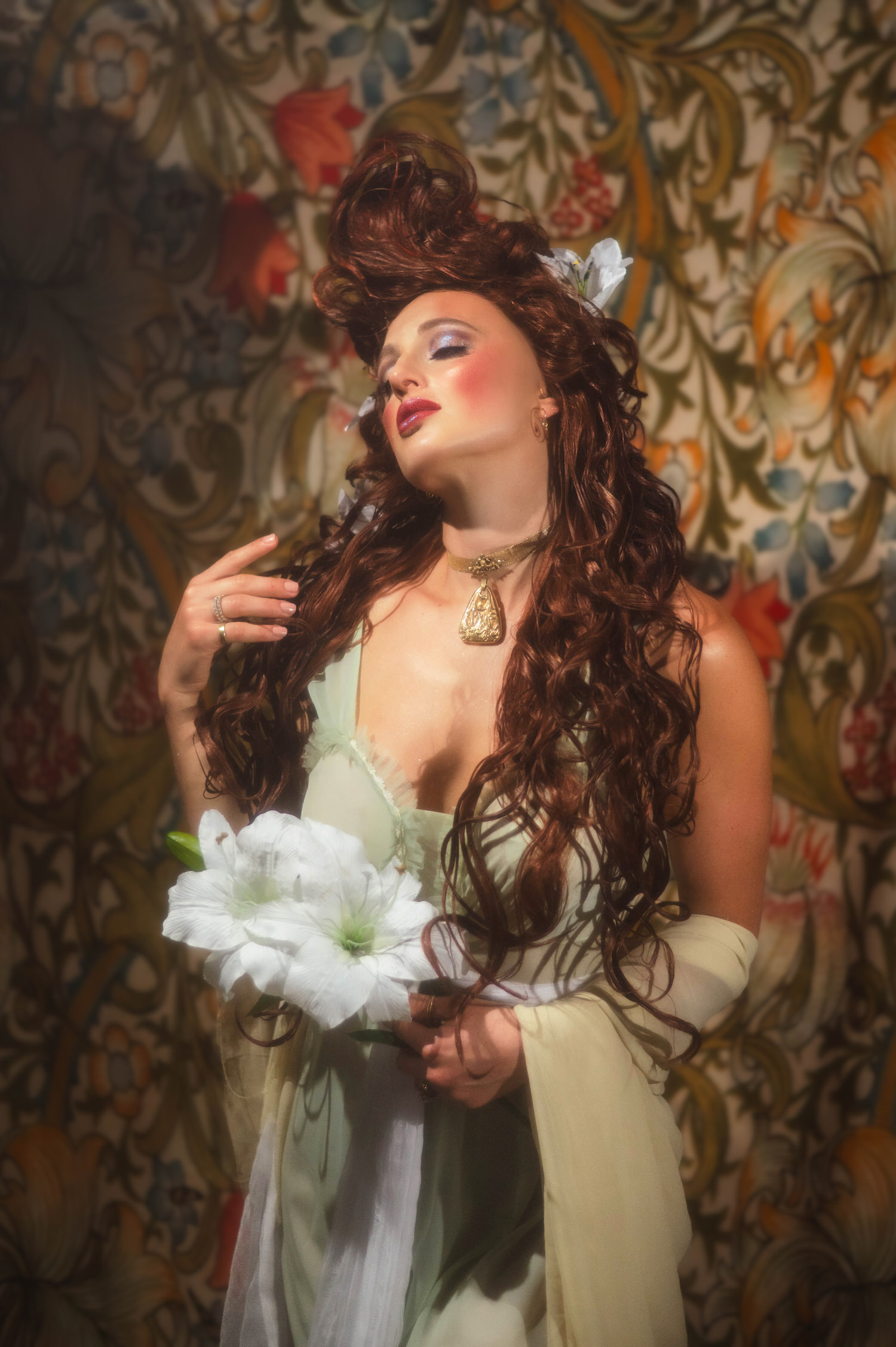
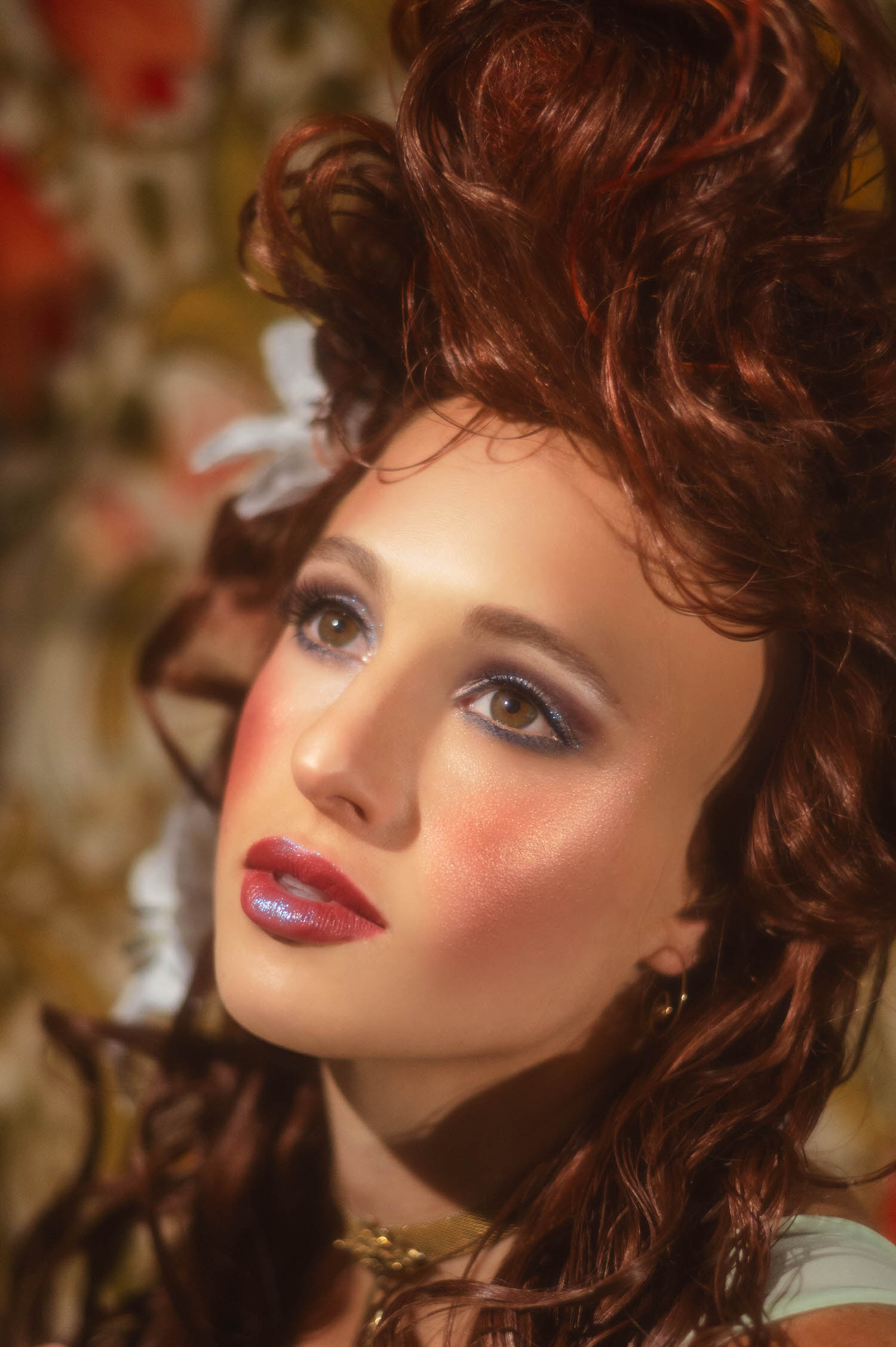
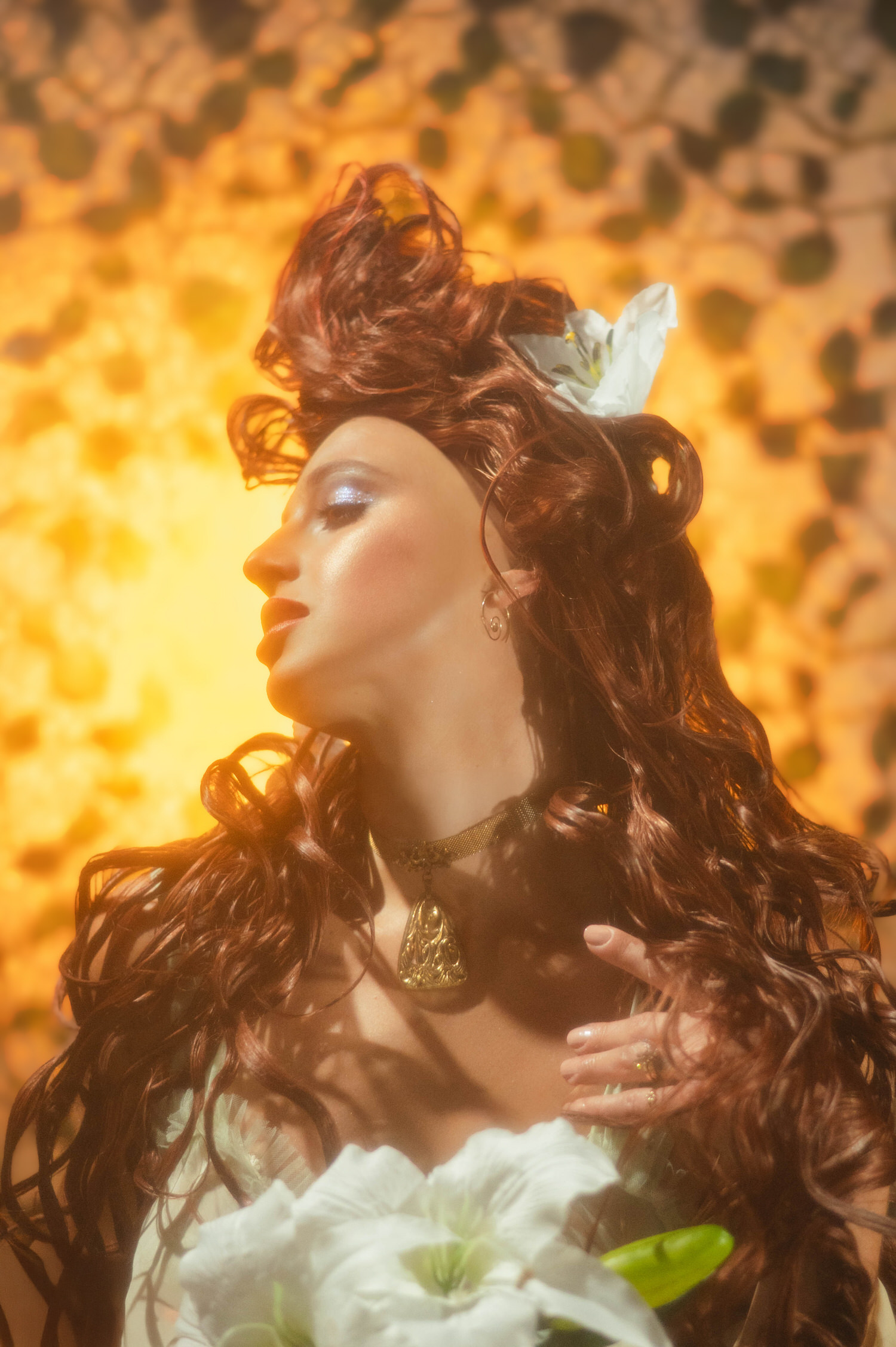
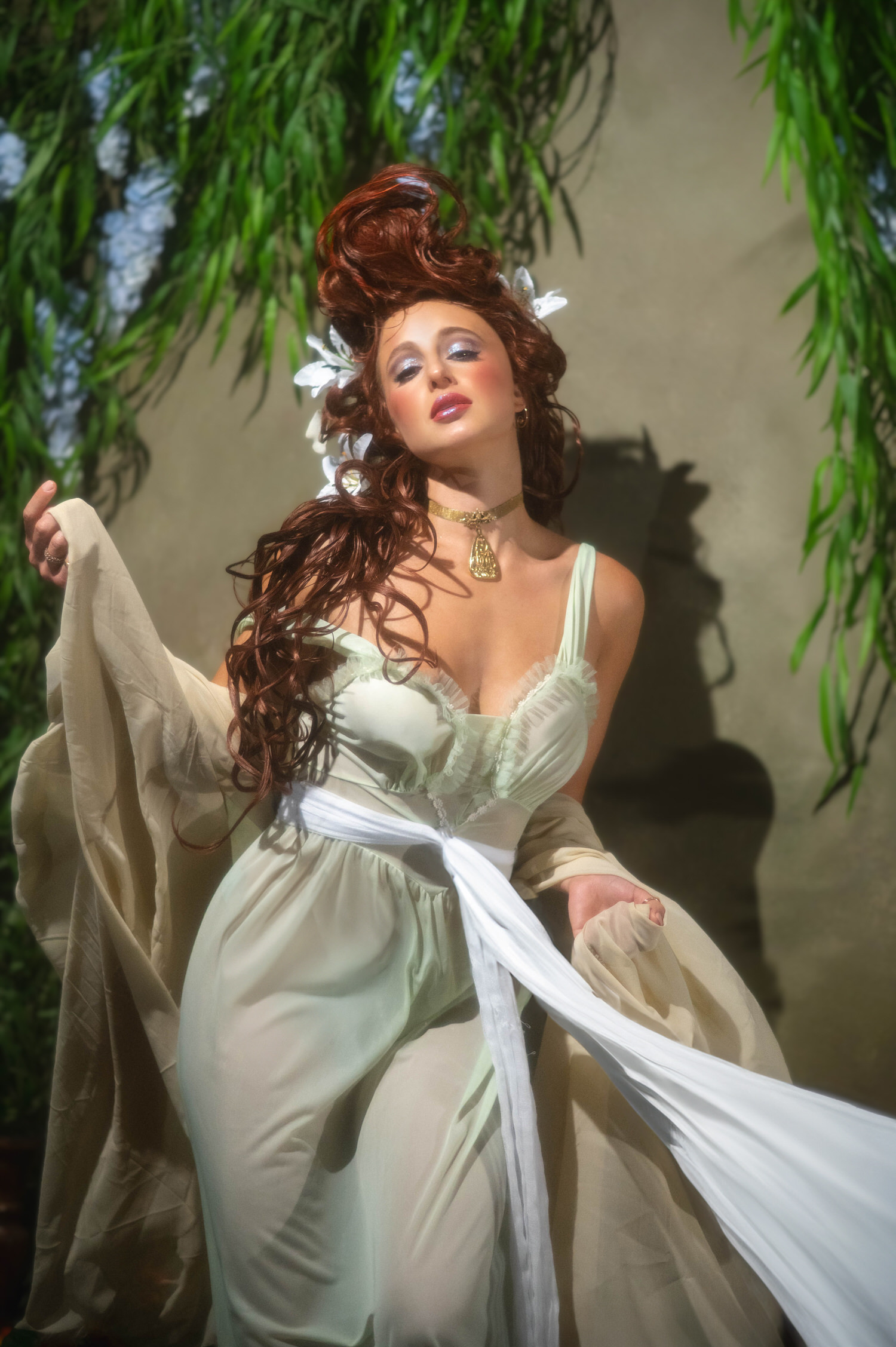
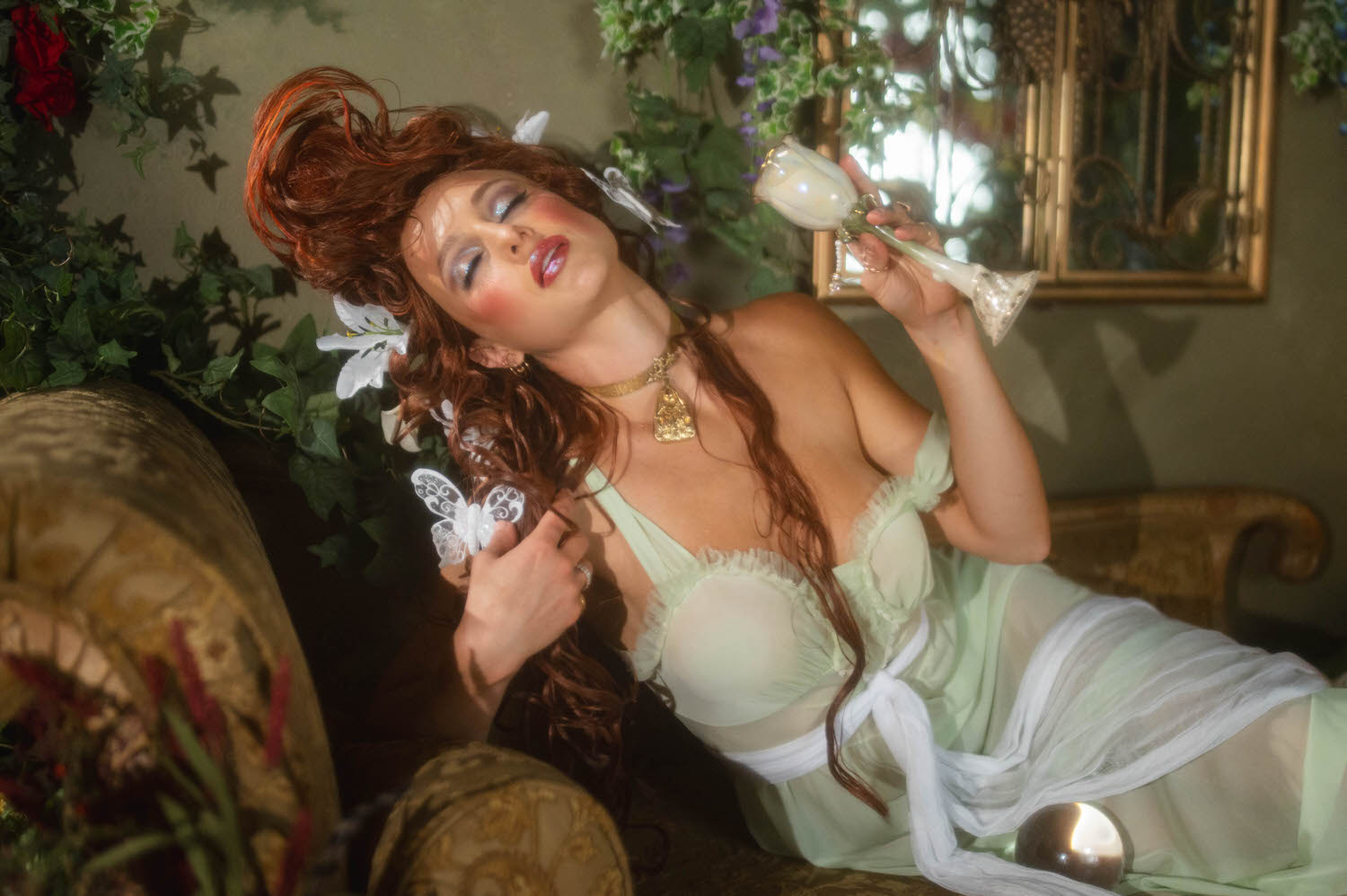
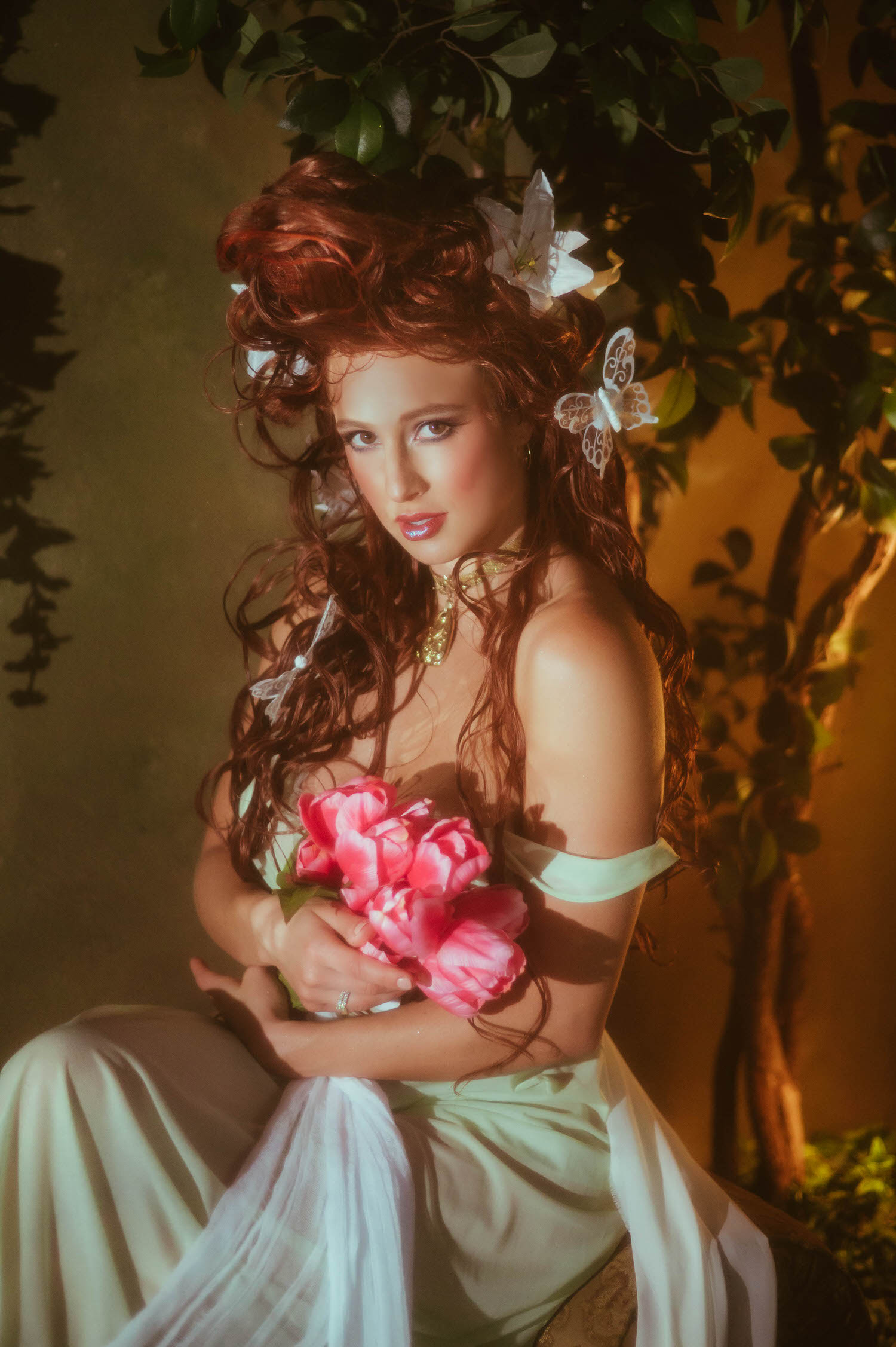
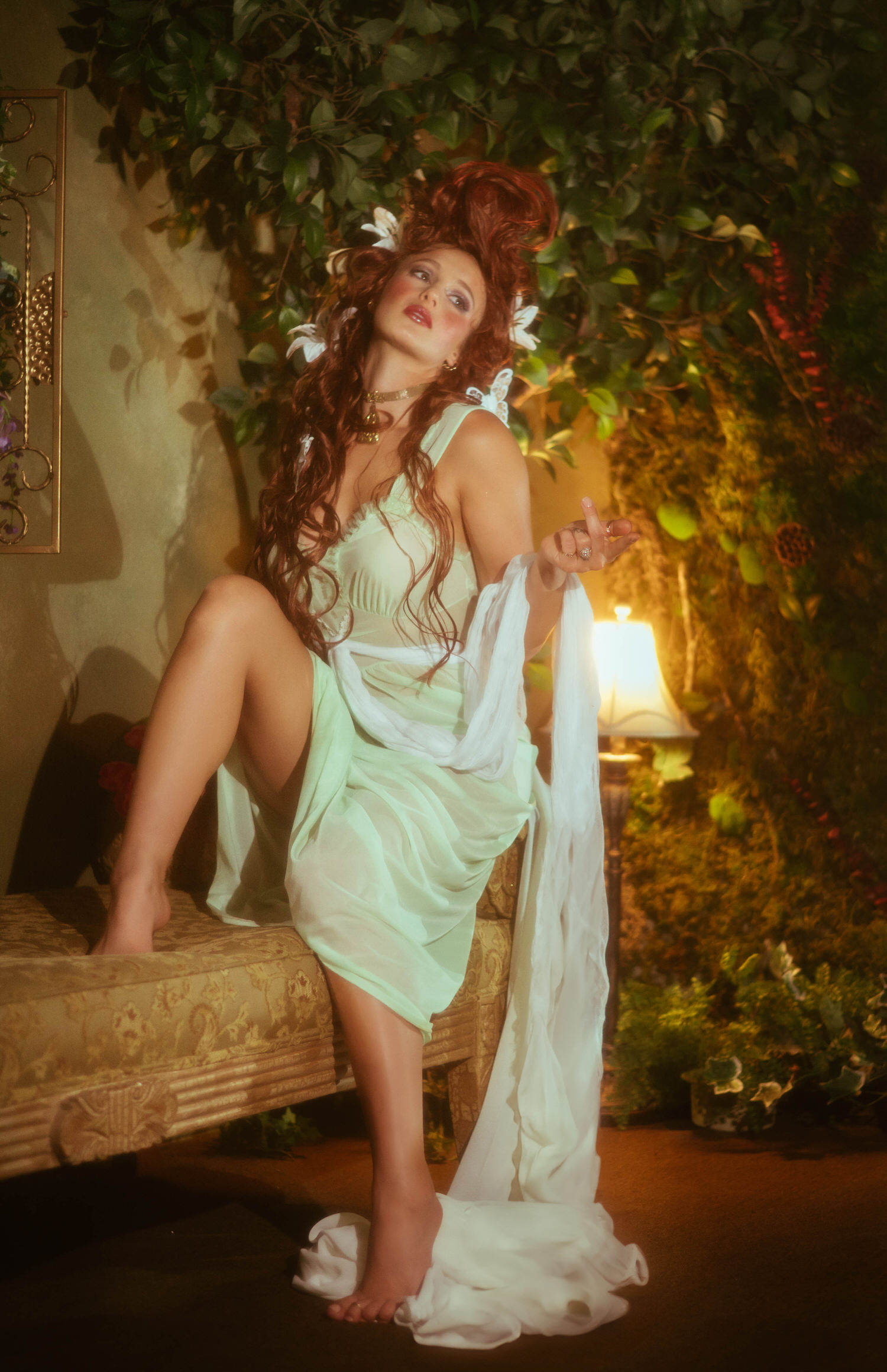
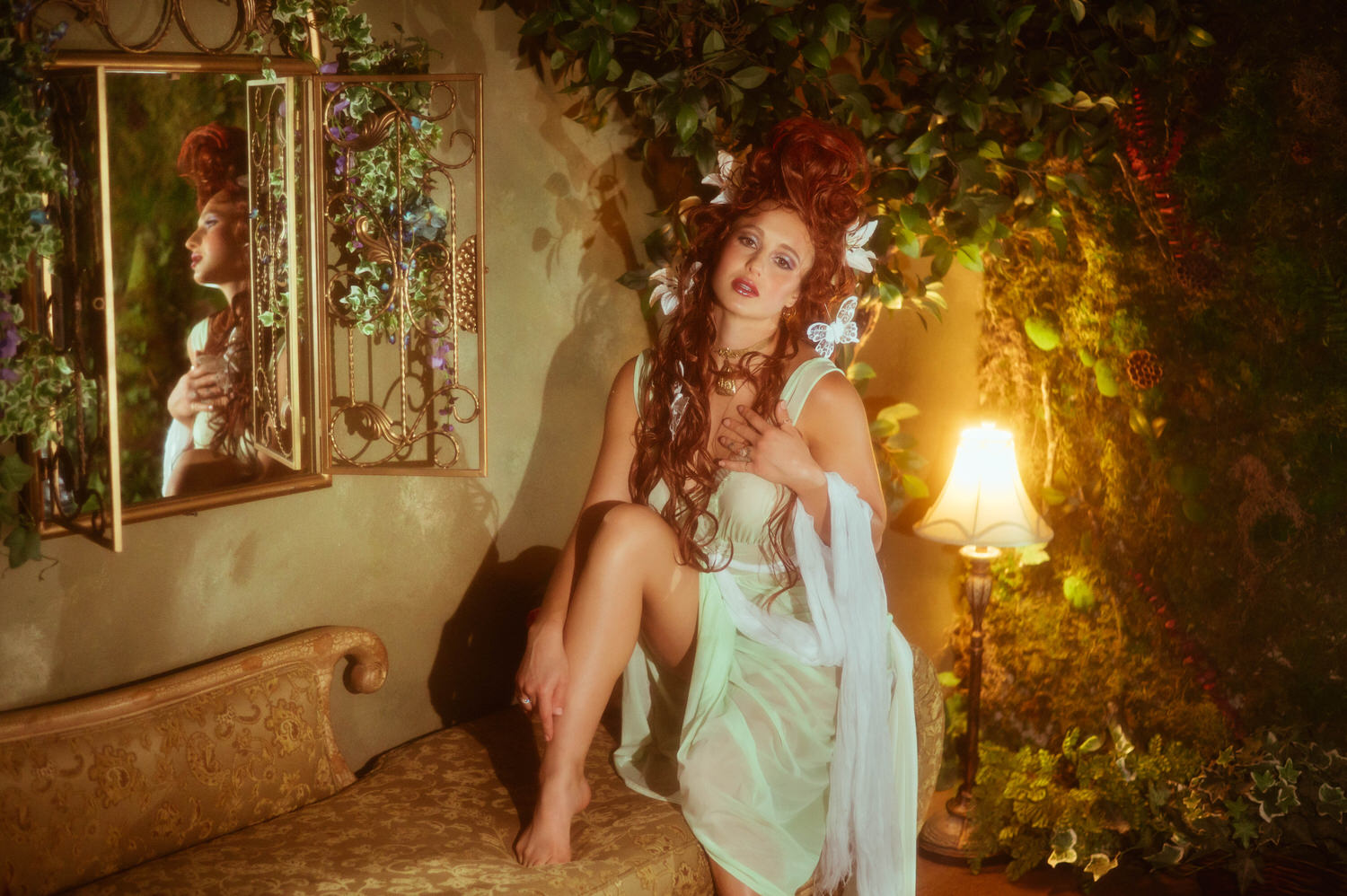
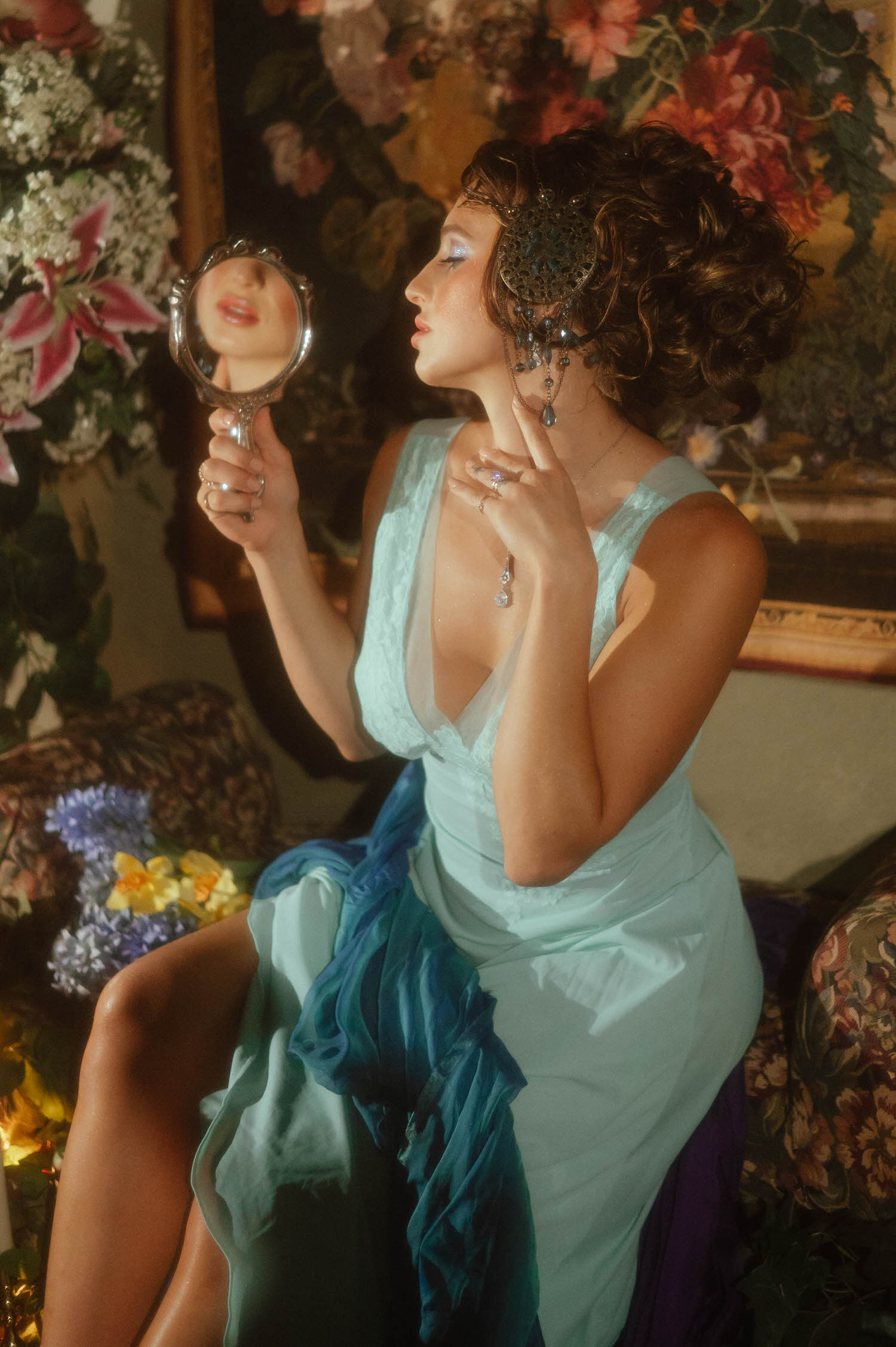
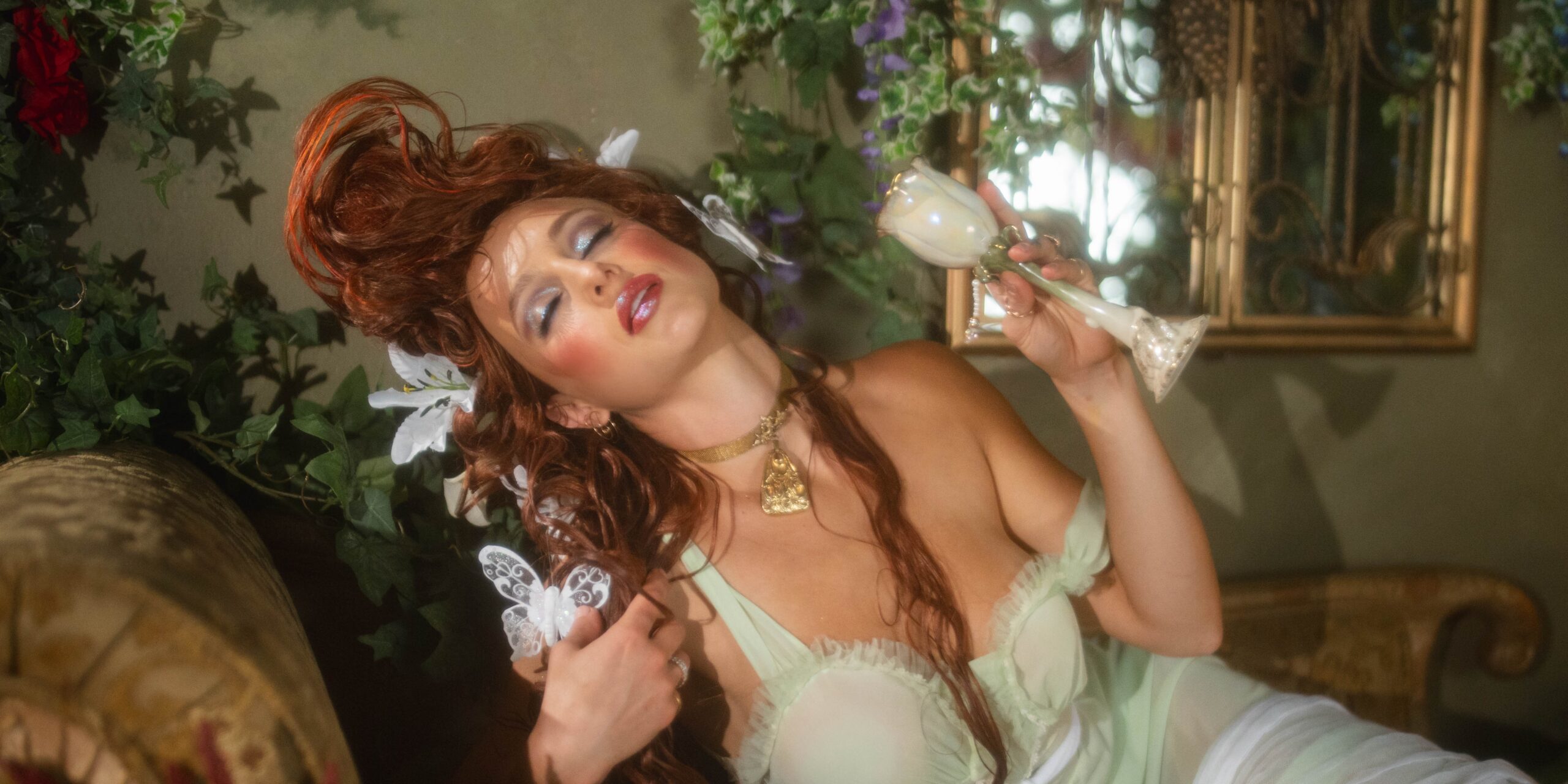
My muse for this session was Allie, and the stunning hair and makeup were created by LaDonna Stein, who designed and hand-built the wigs herself. The moment she arrived with the sculptural curls and jewel-toned accents, I knew we had captured the spirit of Mucha’s world.
What is Defines the Art Nouveau Style?
Art Nouveau, which translates to “new art,” emerged in Europe at the end of the 19th century. It was a rebellion against the industrial monotony of its time, an attempt to reintroduce craftsmanship, fluidity, and organic beauty into art and design. The movement thrived in everything from architecture and typography to jewelry and furniture.
What unified the Art Nouveau style across all mediums was its devotion to nature’s curves. Flowers, vines, waves, and women’s hair all became motifs that flowed seamlessly into one another. Artists such as Gustav Klimt, William Morris, and Alphonse Mucha led the way, creating works that looked alive, unconfined by harsh lines or rigid geometry.
In this Art Nouveau photoshoot I wanted to honor that philosophy: to craft imagery that felt alive, gently moving even within stillness.
Alphonse Mucha: The Artist Who Gave Form to Femininity
Born in 1860 in what is now the Czech Republic, Alphonse Mucha rose to fame in Paris in the 1890s. His breakthrough came when he designed a poster for actress Sarah Bernhardt, the most celebrated performer of her era. The public response was immediate and Mucha’s work became synonymous with beauty itself.
Mucha’s women were unlike any others at the time. They weren’t stiff society portraits or passive muses. His figures were ethereal, confident, sometimes mystical; crowned with flowers and framed by halos of swirling pattern. Each was both goddess and human, embodying the natural world around her.
That vision of woman as art, nature, and power all at once is what still captivates me. It’s what inspired this photoshoot: to take the essence of those illustrations and translate them into the soft cinematic realism of photography.
Translating Mucha’s Style into Photography
Mucha’s work is defined by flowing linework, floral ornamentation, and radiant color palettes. To bring that visual language into my studio, I focused on movement and composition that echoed his drawings.
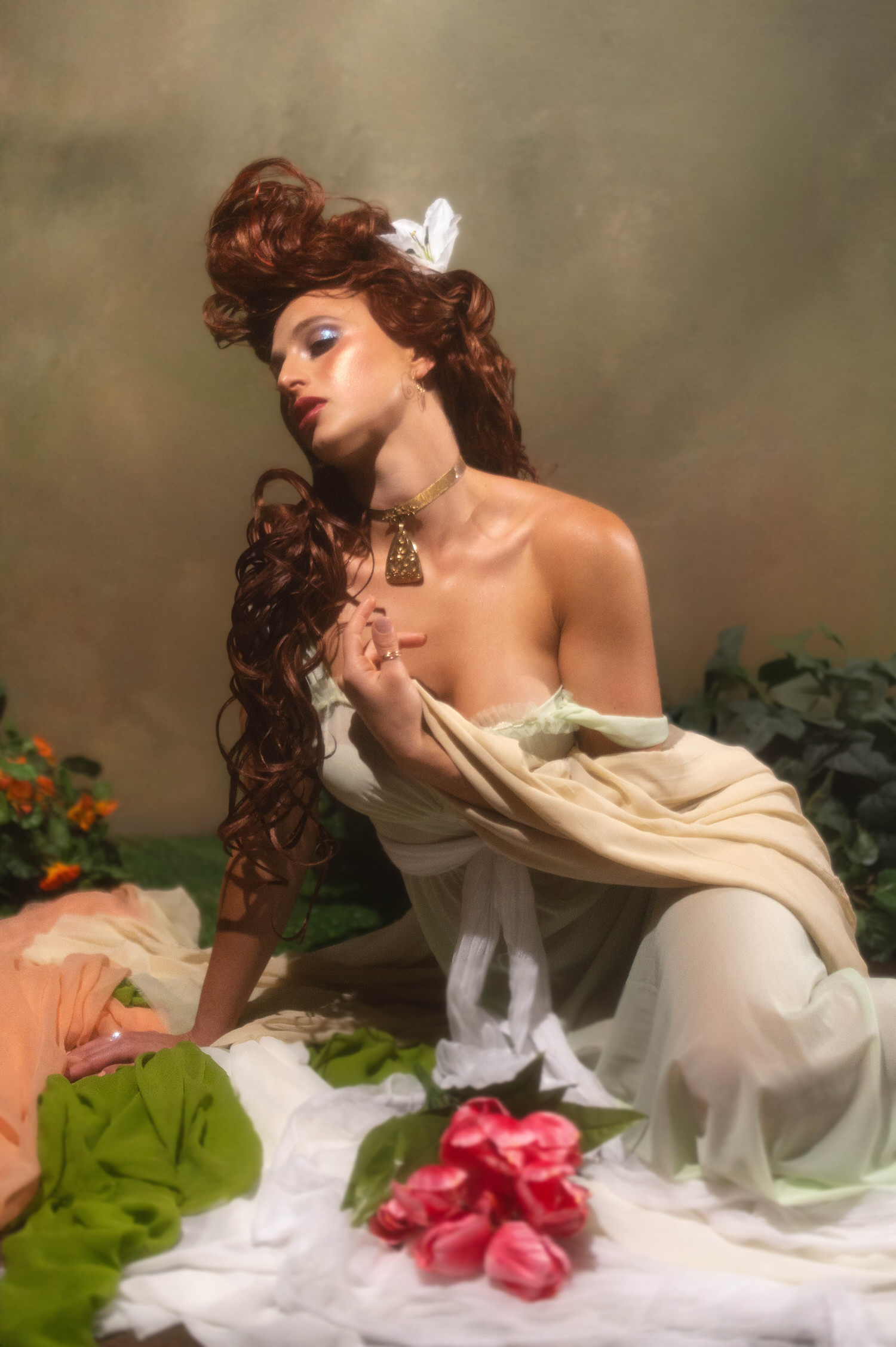
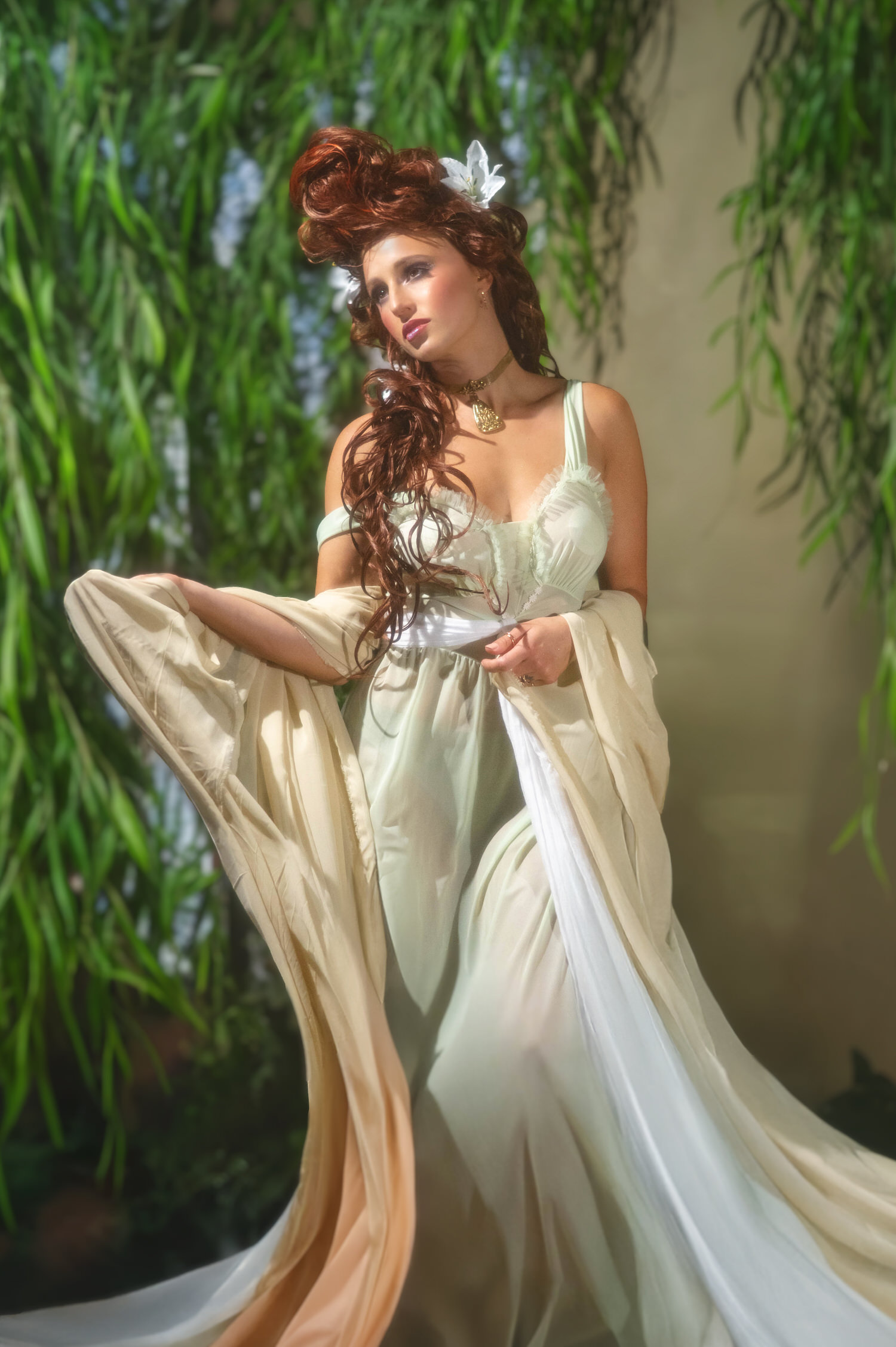
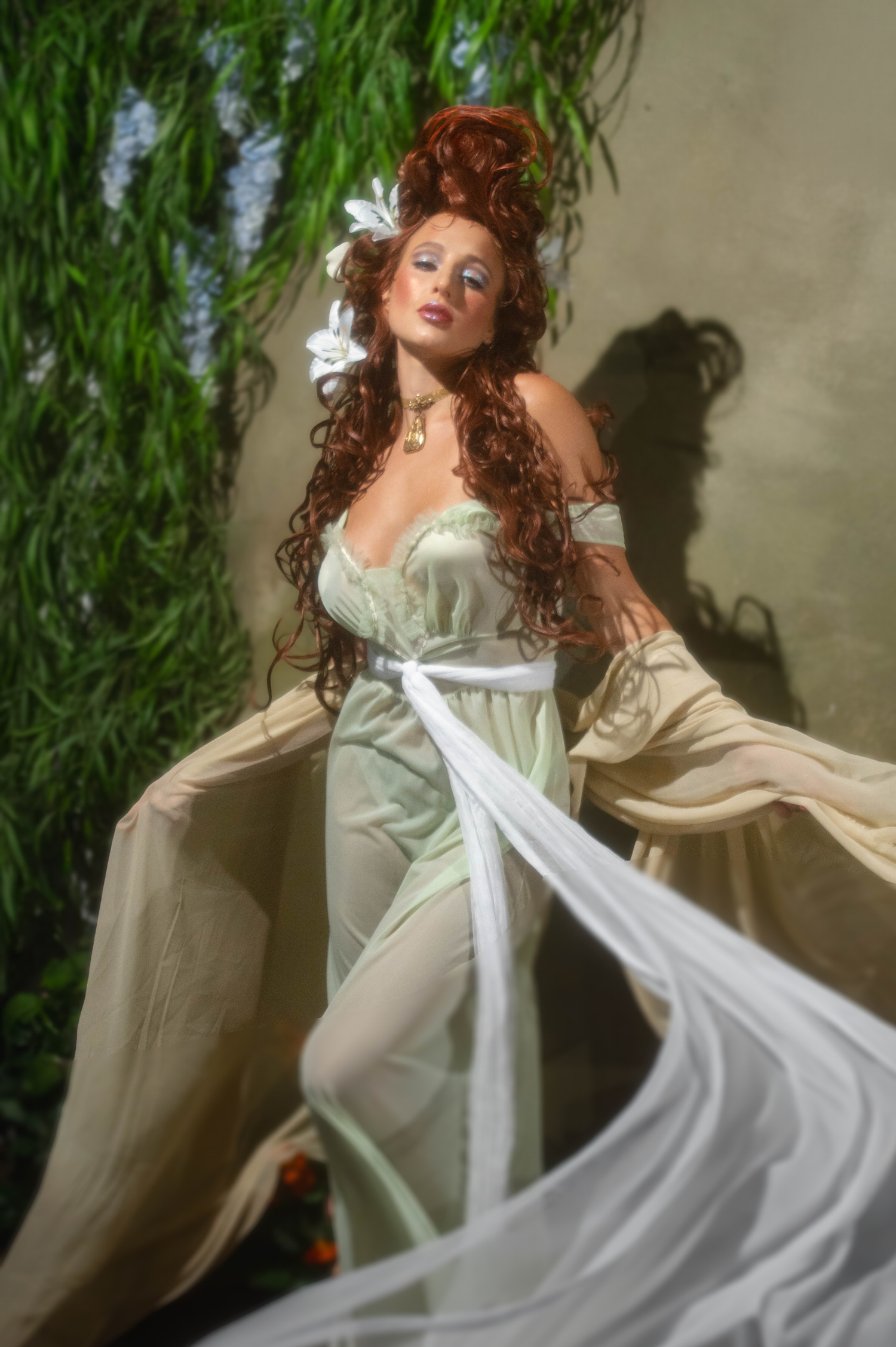
Every drape of fabric was intentional, imitating the organic lines that sweep across his lithographs. Each pose curved, capturing the fluid posture of his muses. I wanted the viewer’s eye to travel across the frame the same way it does in Mucha’s posters, like tracing a vine or strand of hair.
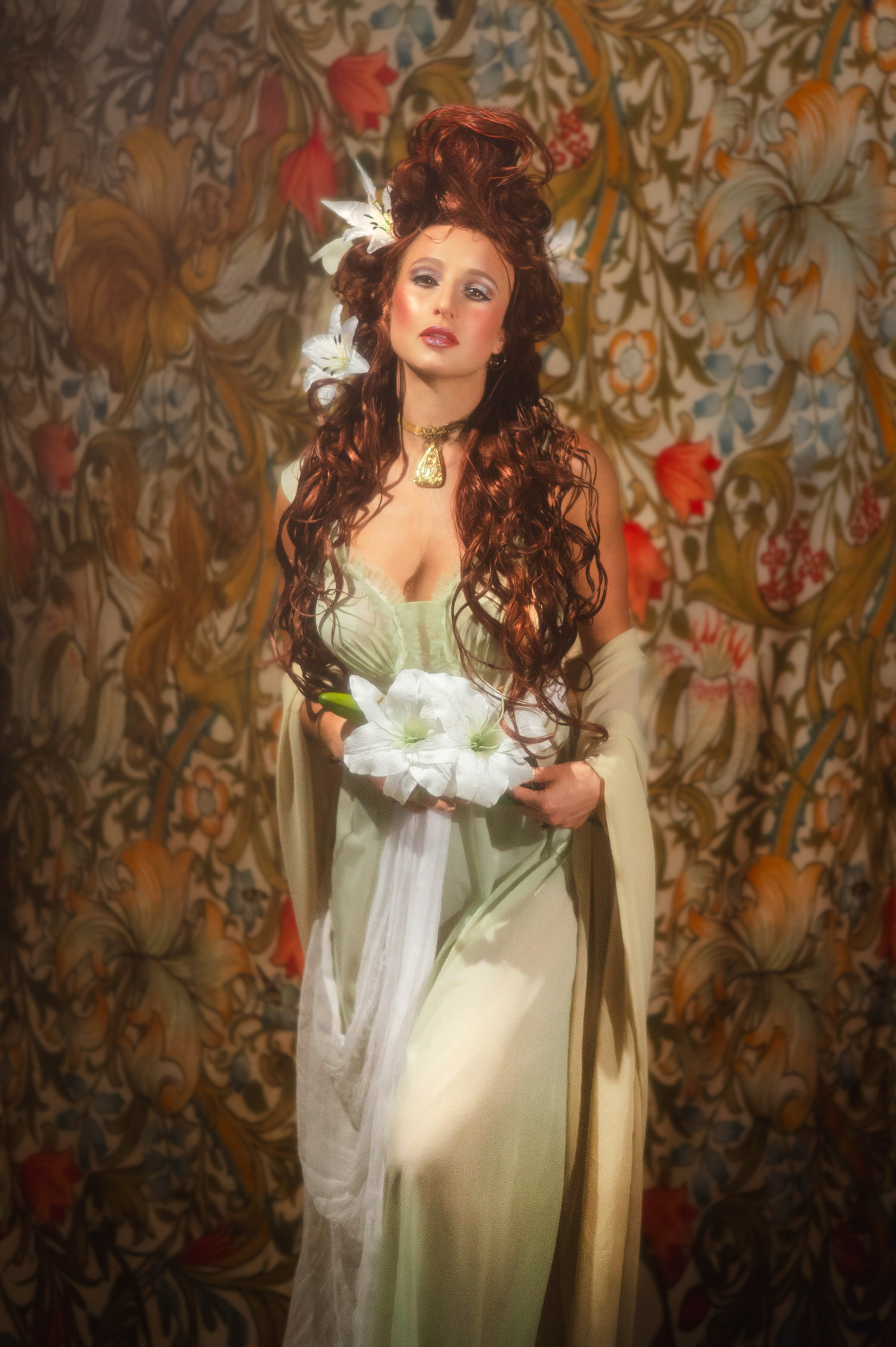
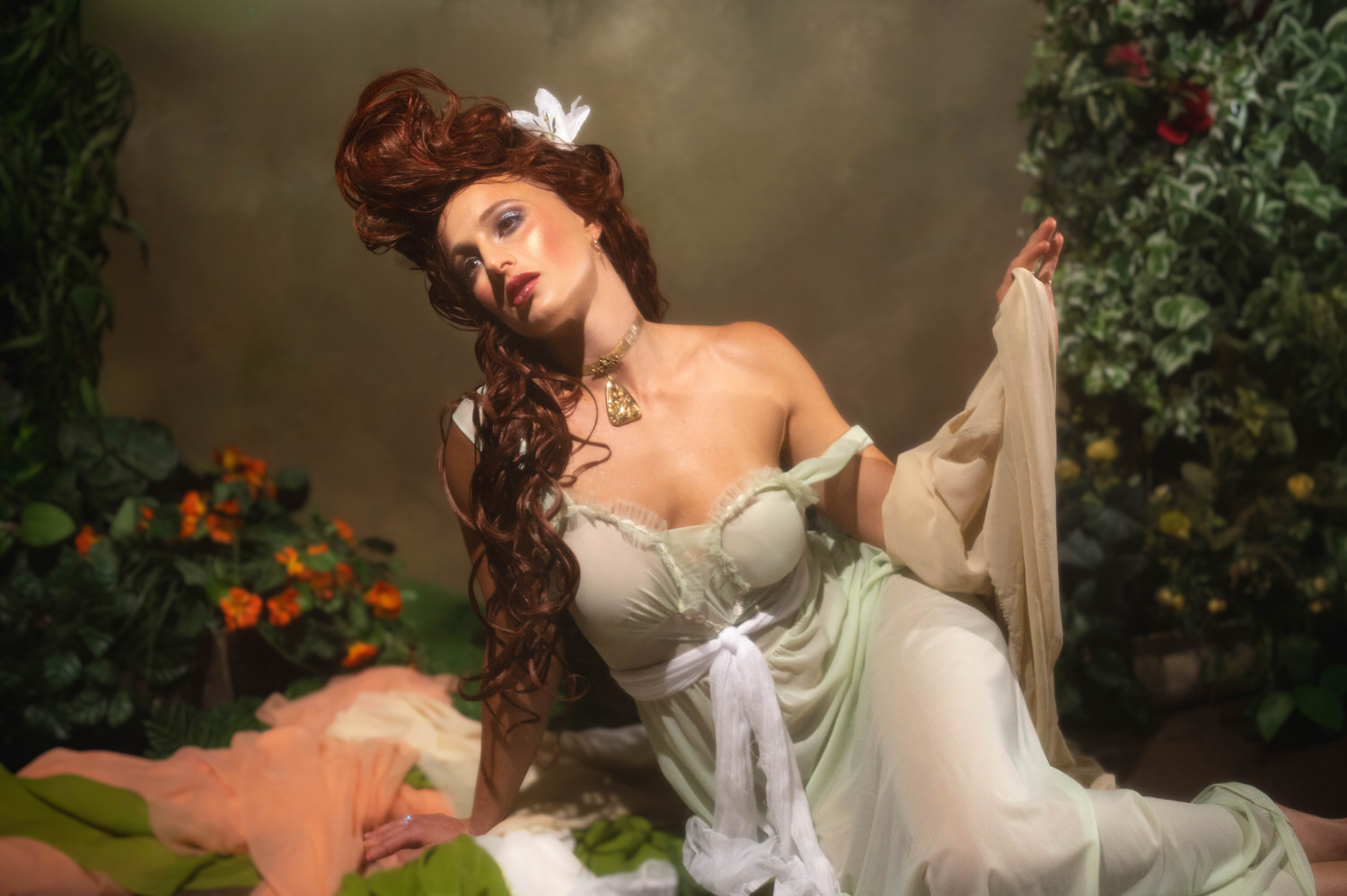
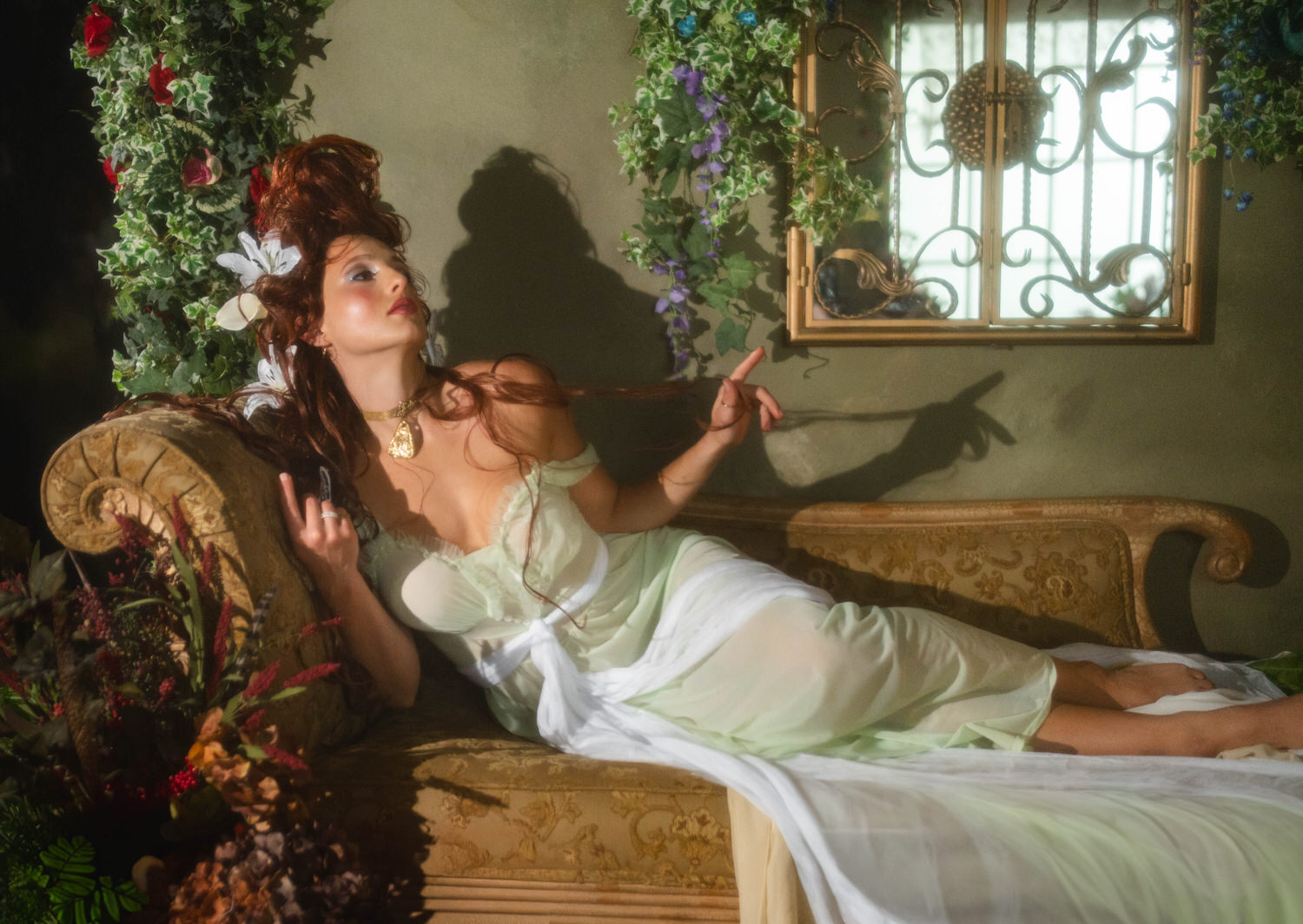
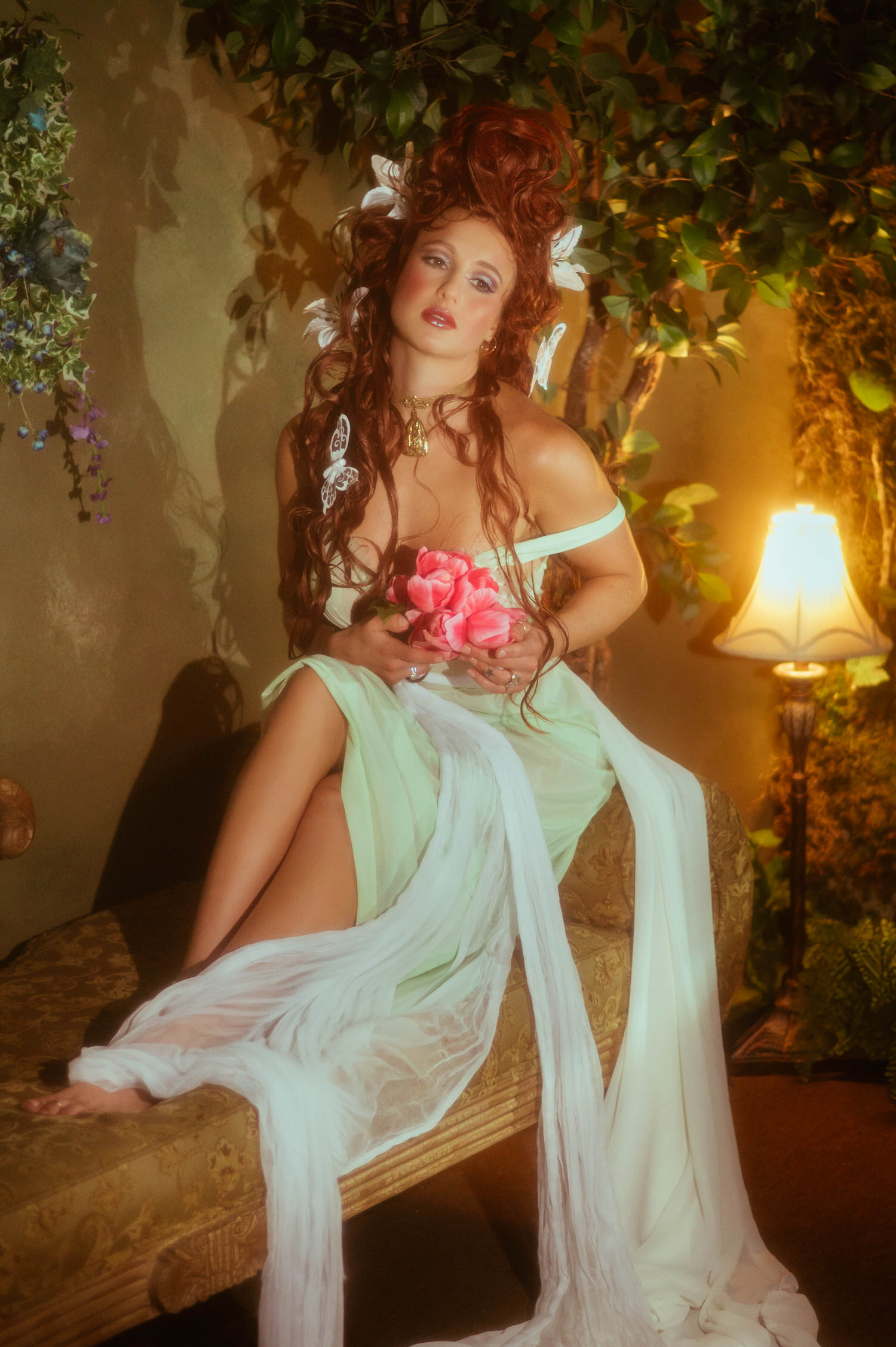
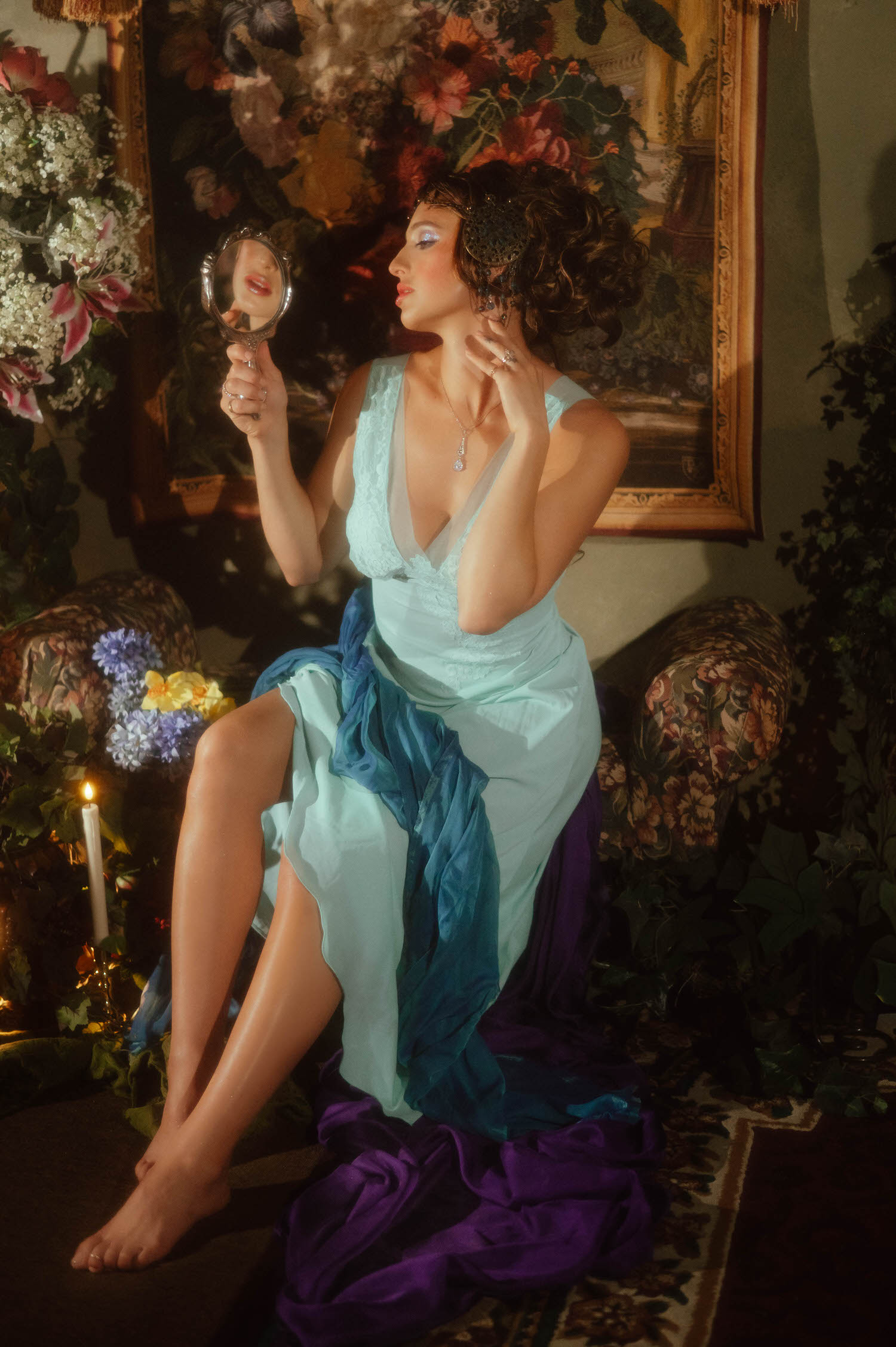
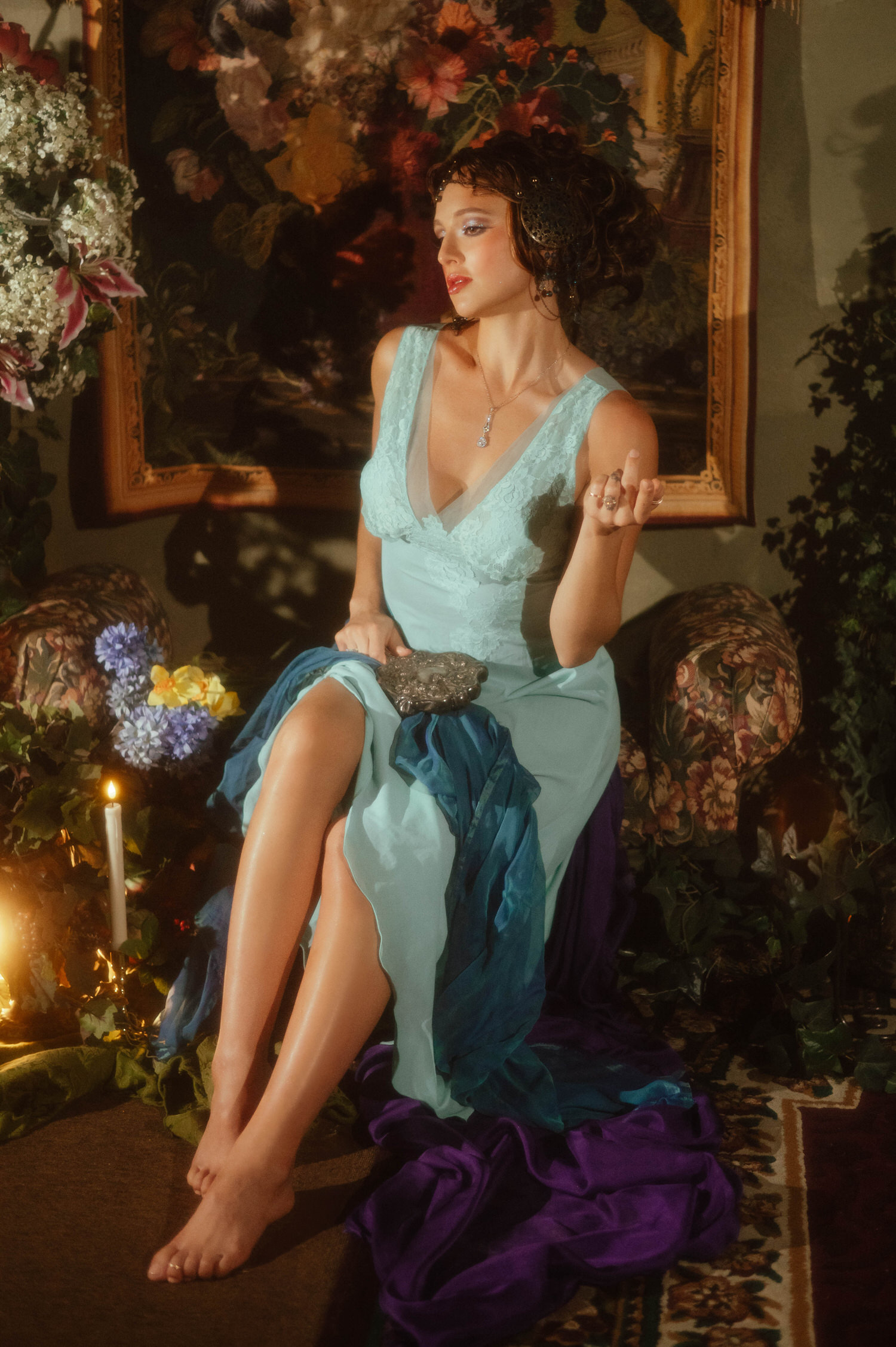
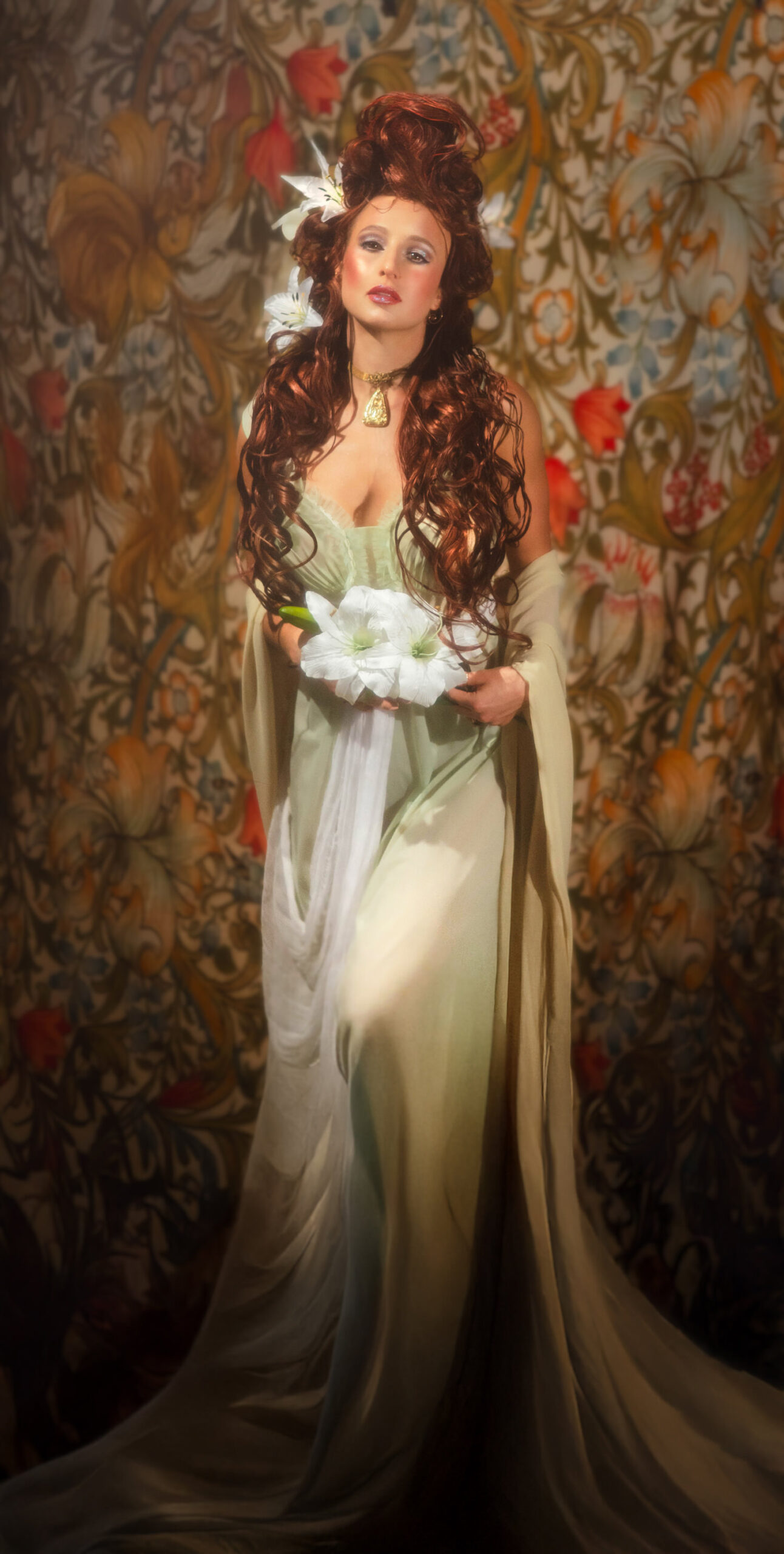
The set design drew directly from the Art Nouveau palette: muted sage greens, creams, soft blues, and gold undertones. For texture I used a William Morris blanket as a backdrop, its intricate floral motifs tying back to the same decorative arts movement that influenced Mucha.
Props were equally symbolic: lilies, fruit, mirrors, and glass orbs all nodding to the recurring motifs of purity, temptation, and reflection. Together these details turned the session into a living homage to turn-of-the-century artistry.
The Two Looks: A Study in Flow and Form
Look One: The Floral Muse
Allie’s first transformation was pure Art Nouveau. She wore a vintage light-green Kayser nightgown, its sheer texture catching the light perfectly. Draped fabric wound softly around her waist, and white lilies rested in her hands which was a direct nod to the floral symbolism of Mucha’s pieces.
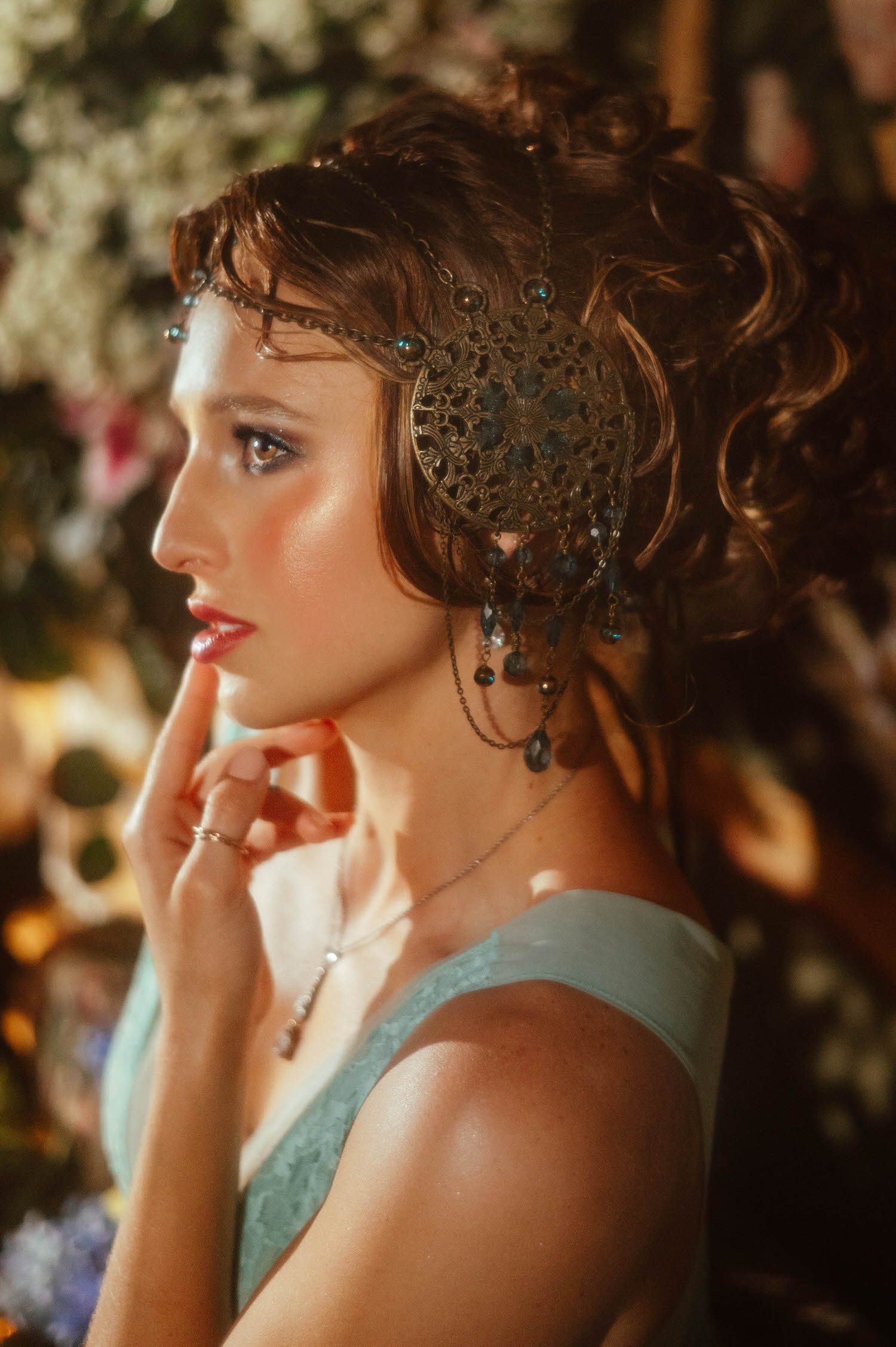
LaDonna created an extraordinary long, flowing wig, inspired by Mucha’s own hair sketches. Against the William Morris floral backdrop, the look felt like it had stepped out of a lithograph.
Look Two: The Celestial Woman
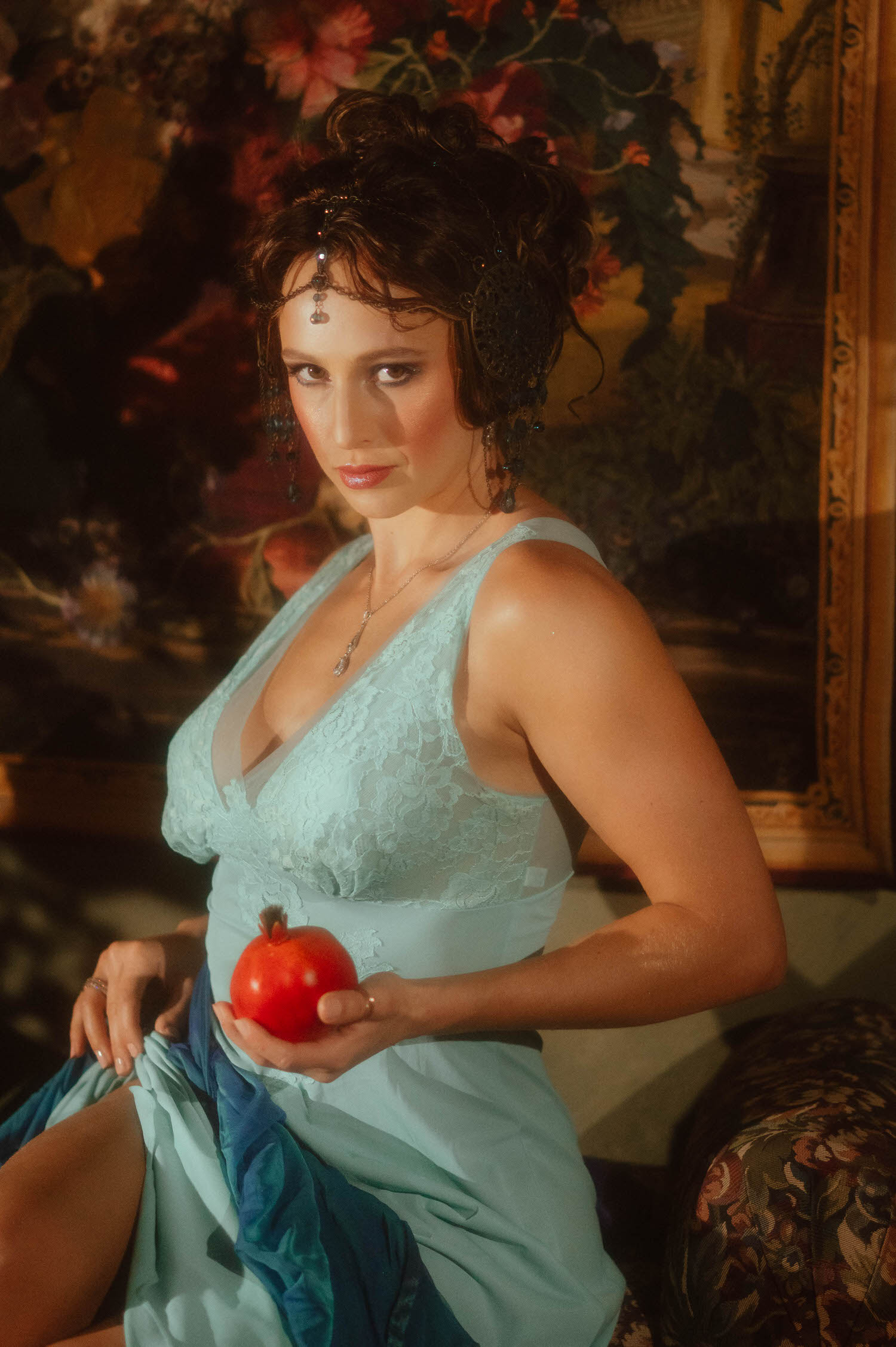
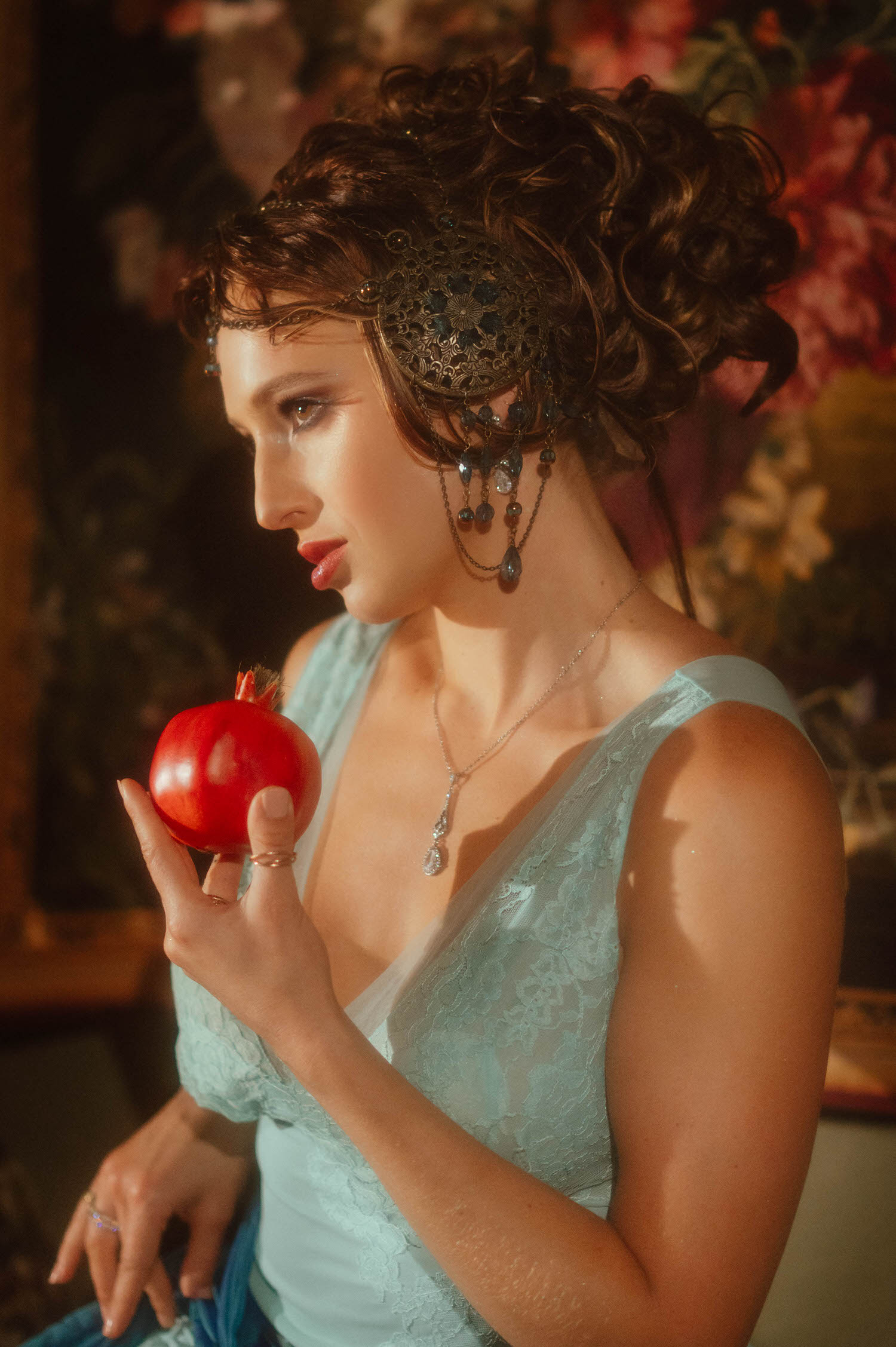
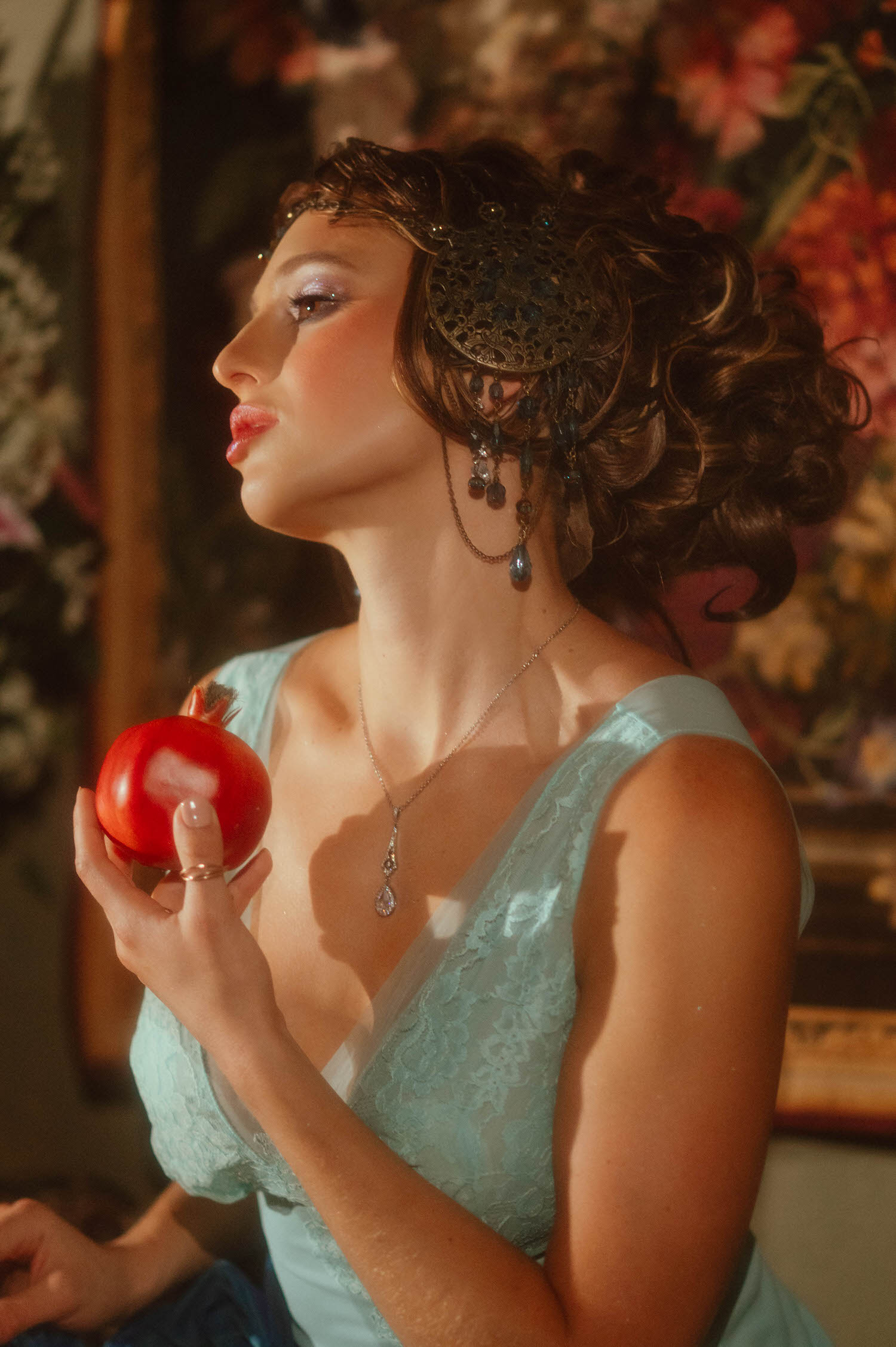
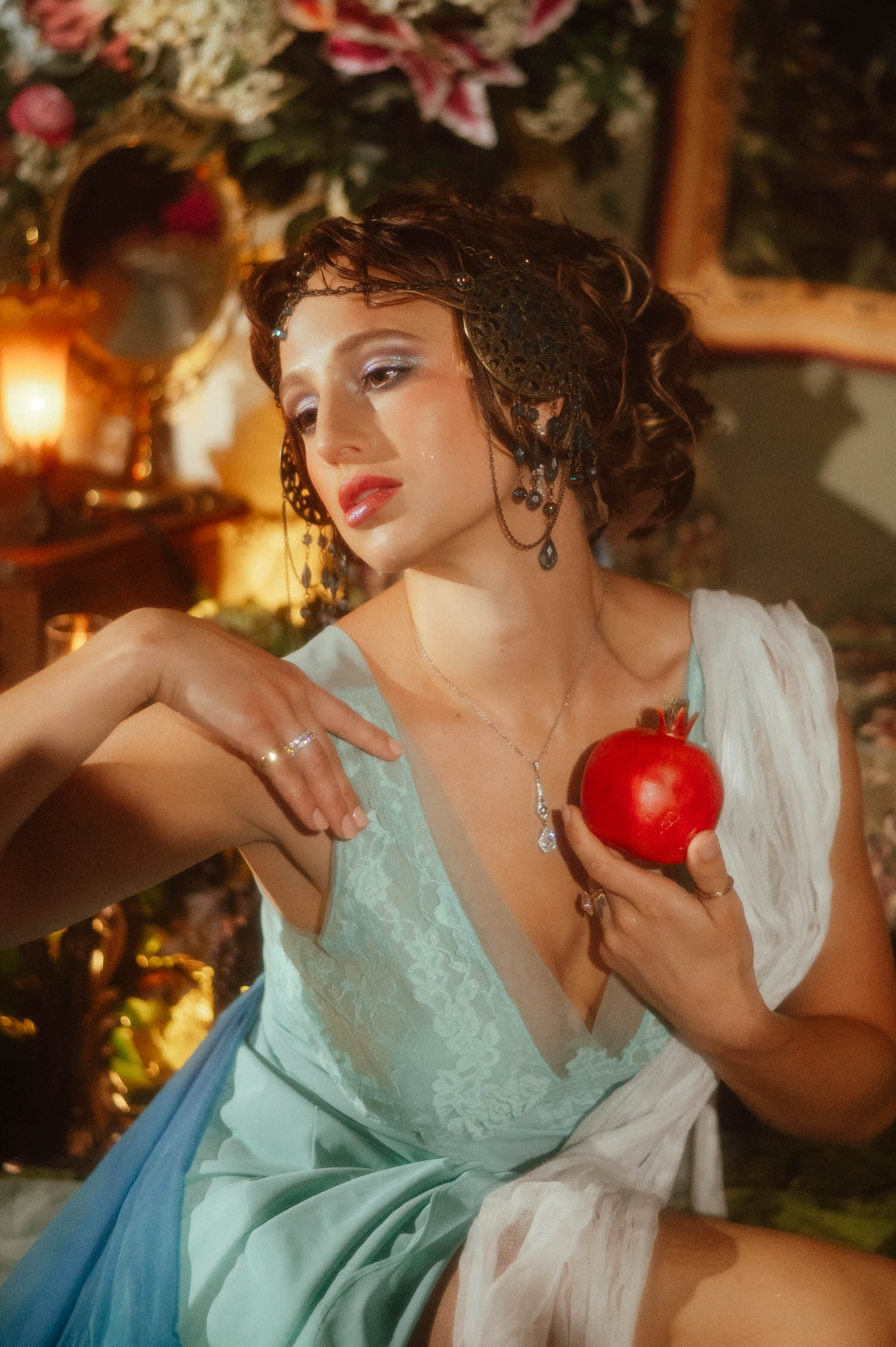
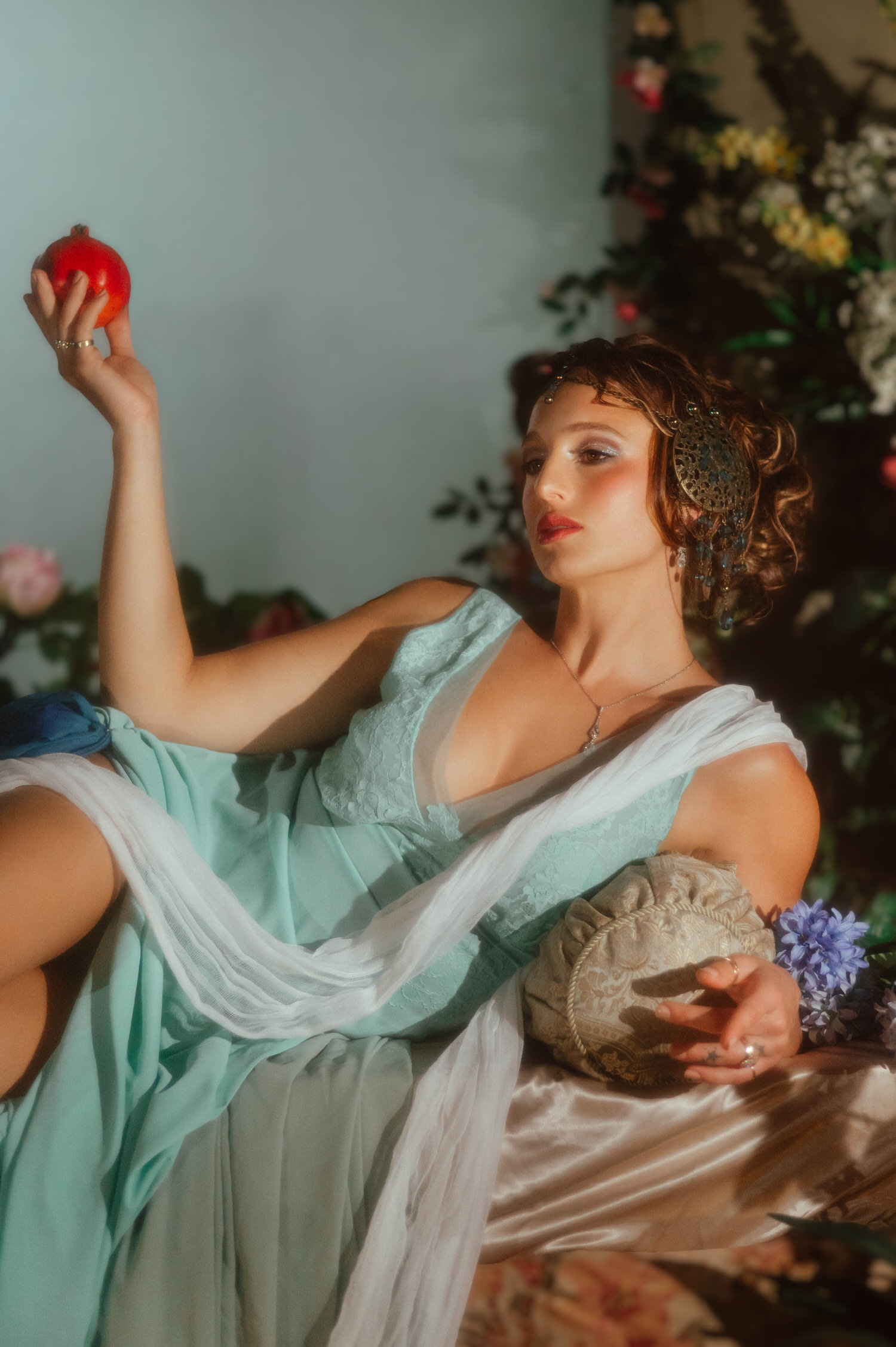
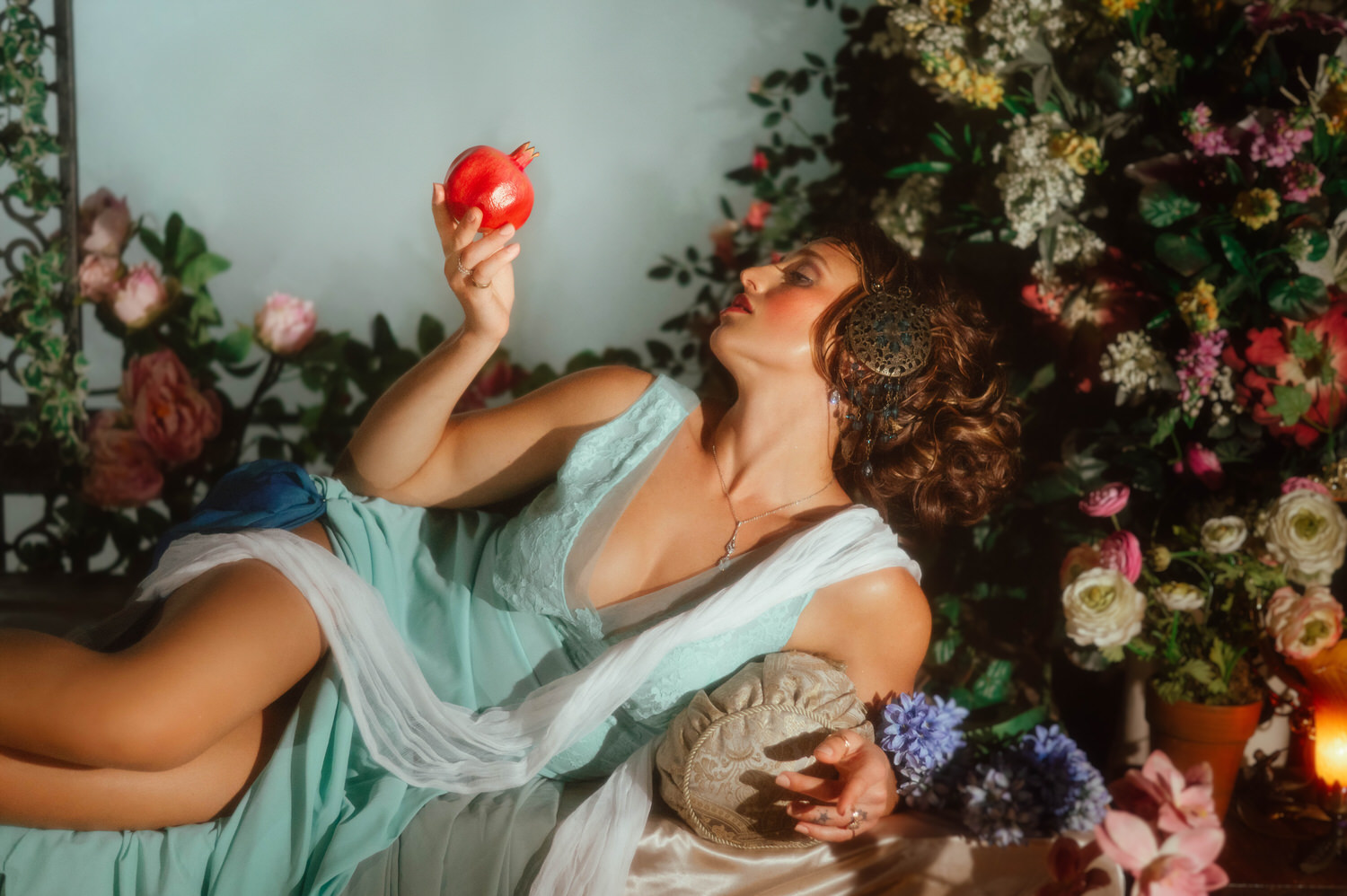
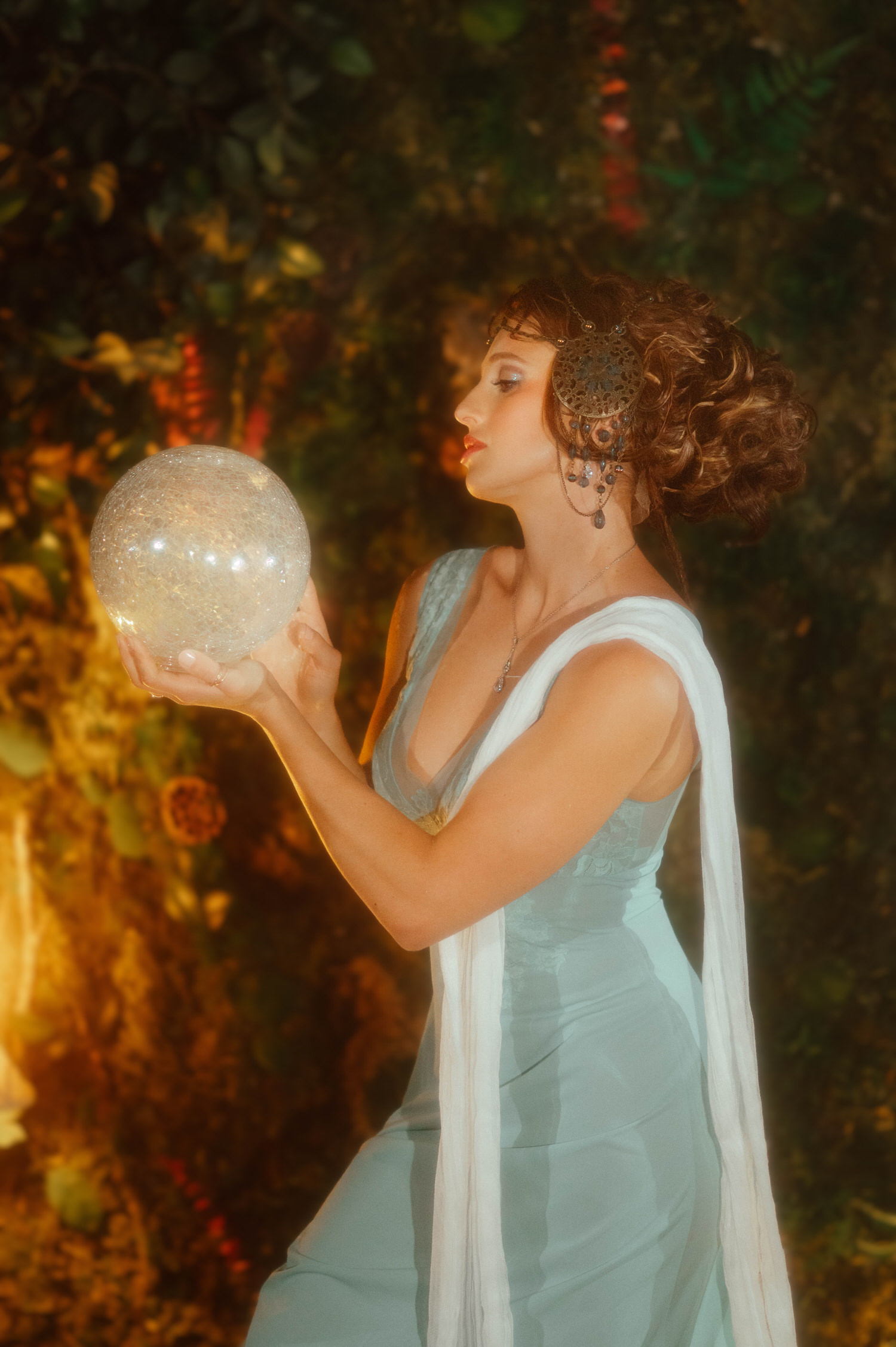
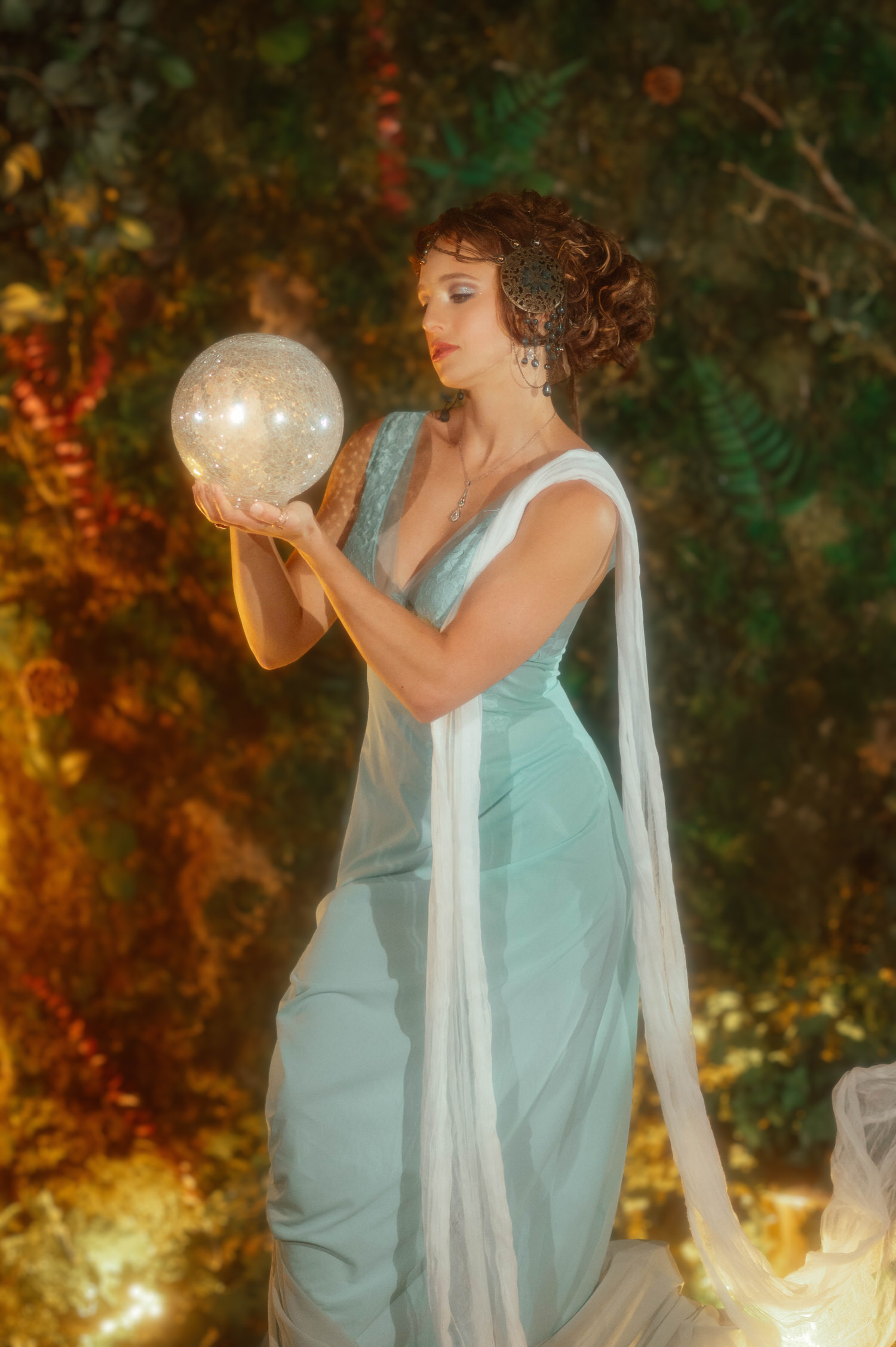
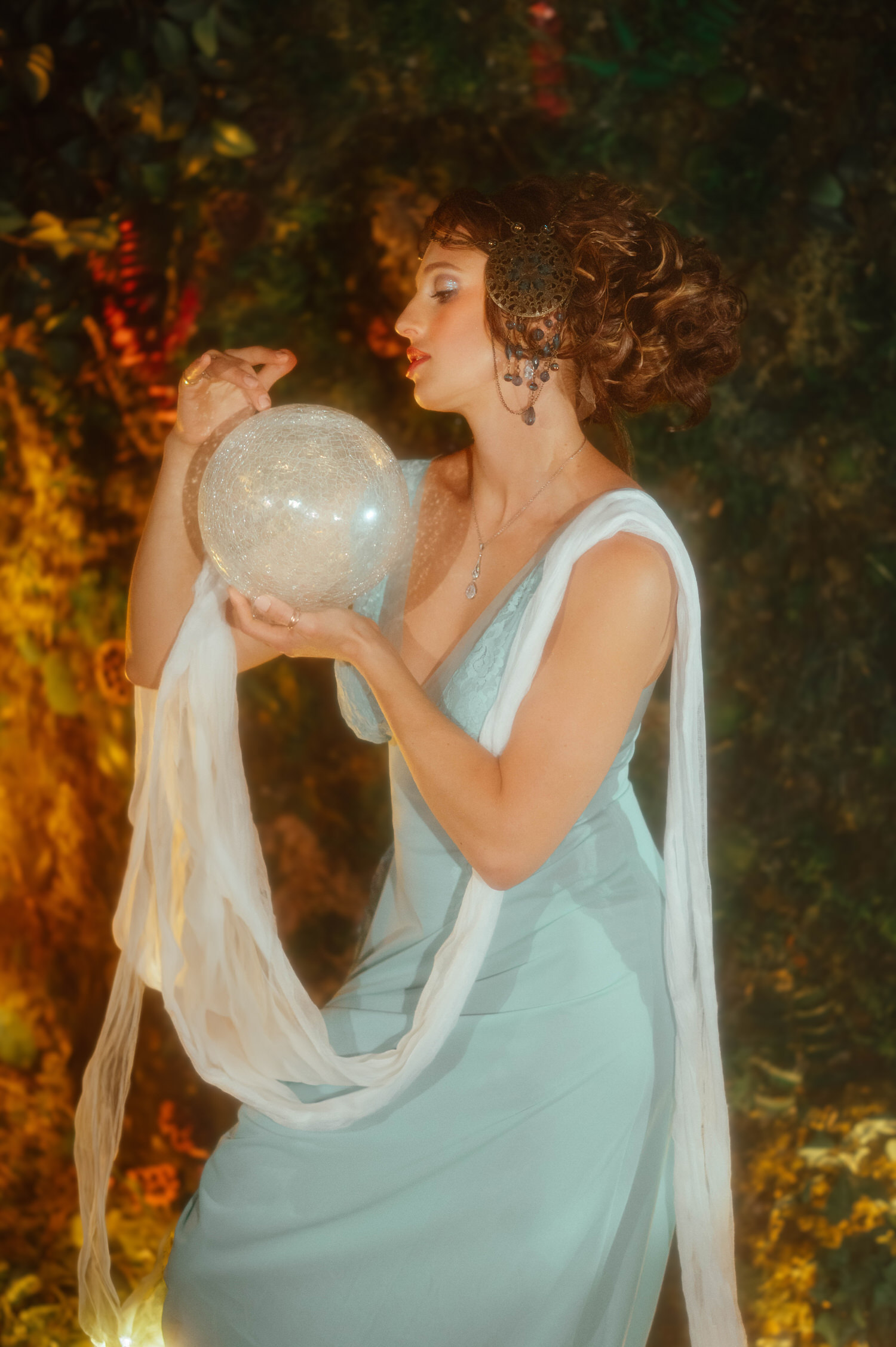
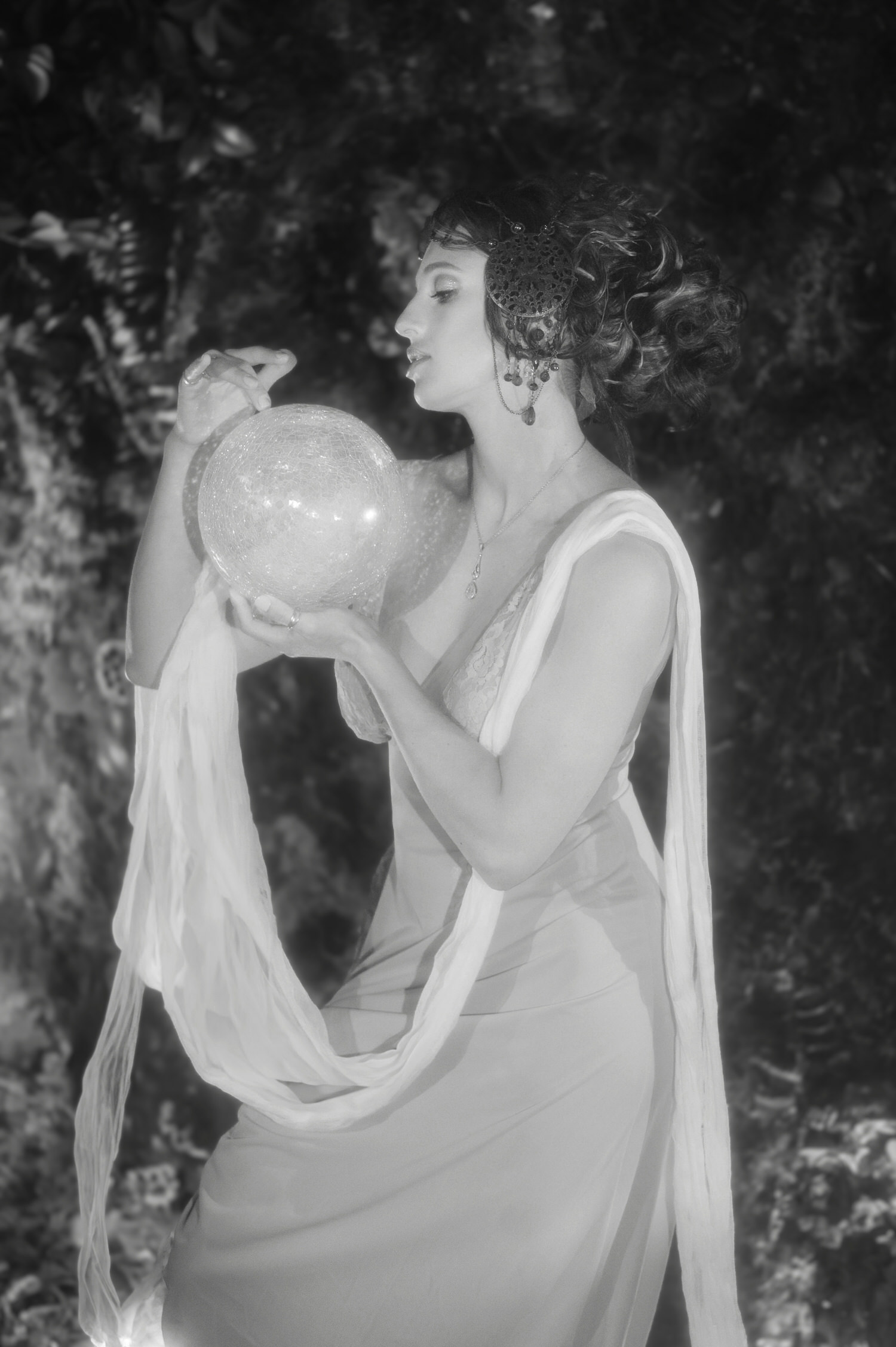
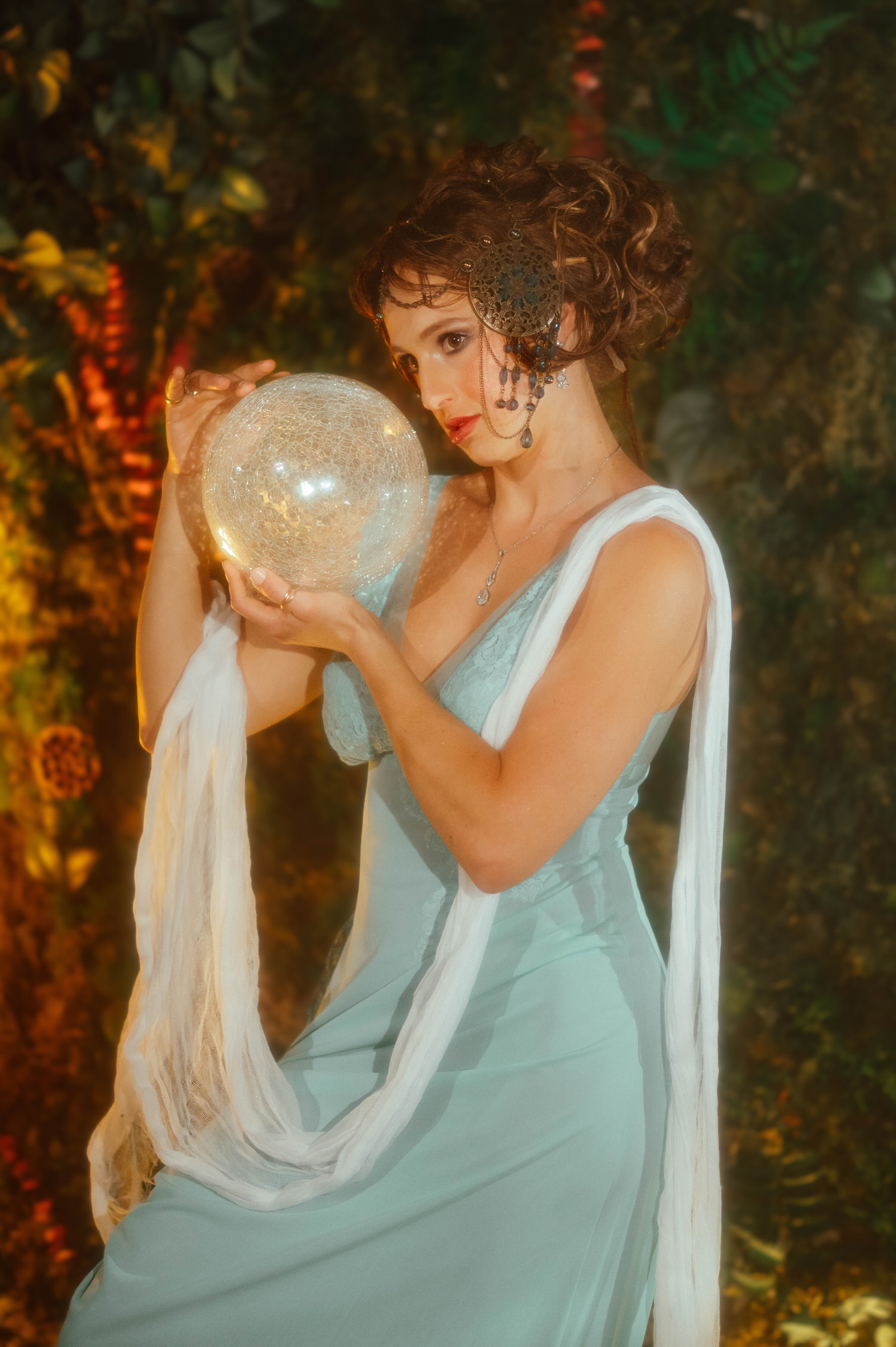
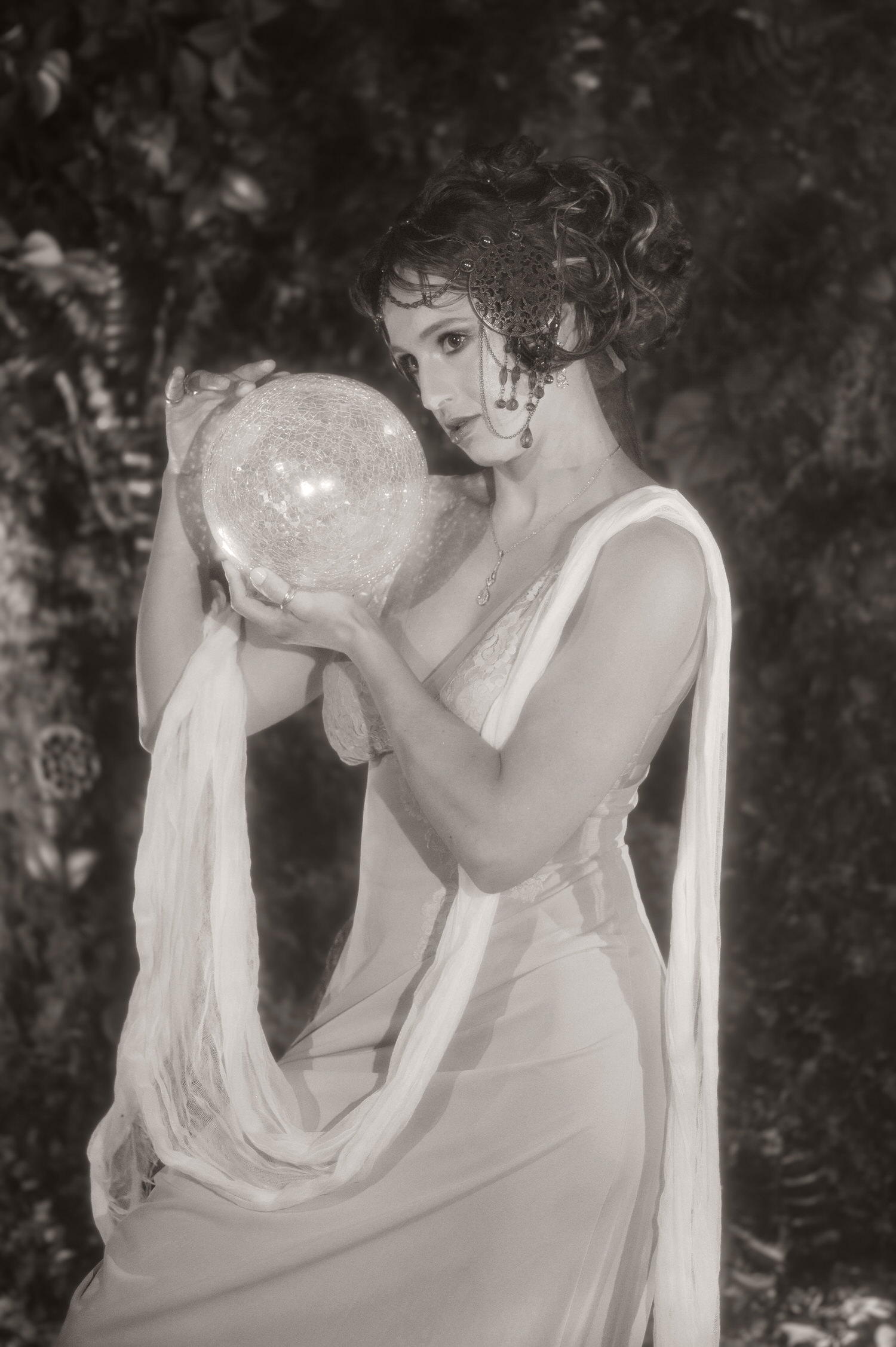
The second look took on a more mystical tone. LaDonna styled an updo wig adorned with an ornate Art Nouveau-inspired metal headpiece, while Allie wore a powder-blue Vanity Fair vintage nightgown. The props told their own story: a pomegranate for temptation, a hand mirror for self-reflection, and later a glass orb symbolizing the moon; the eternal feminine archetype that Mucha so often celebrated.
Lighting, Gear, and Cinematic Atmosphere
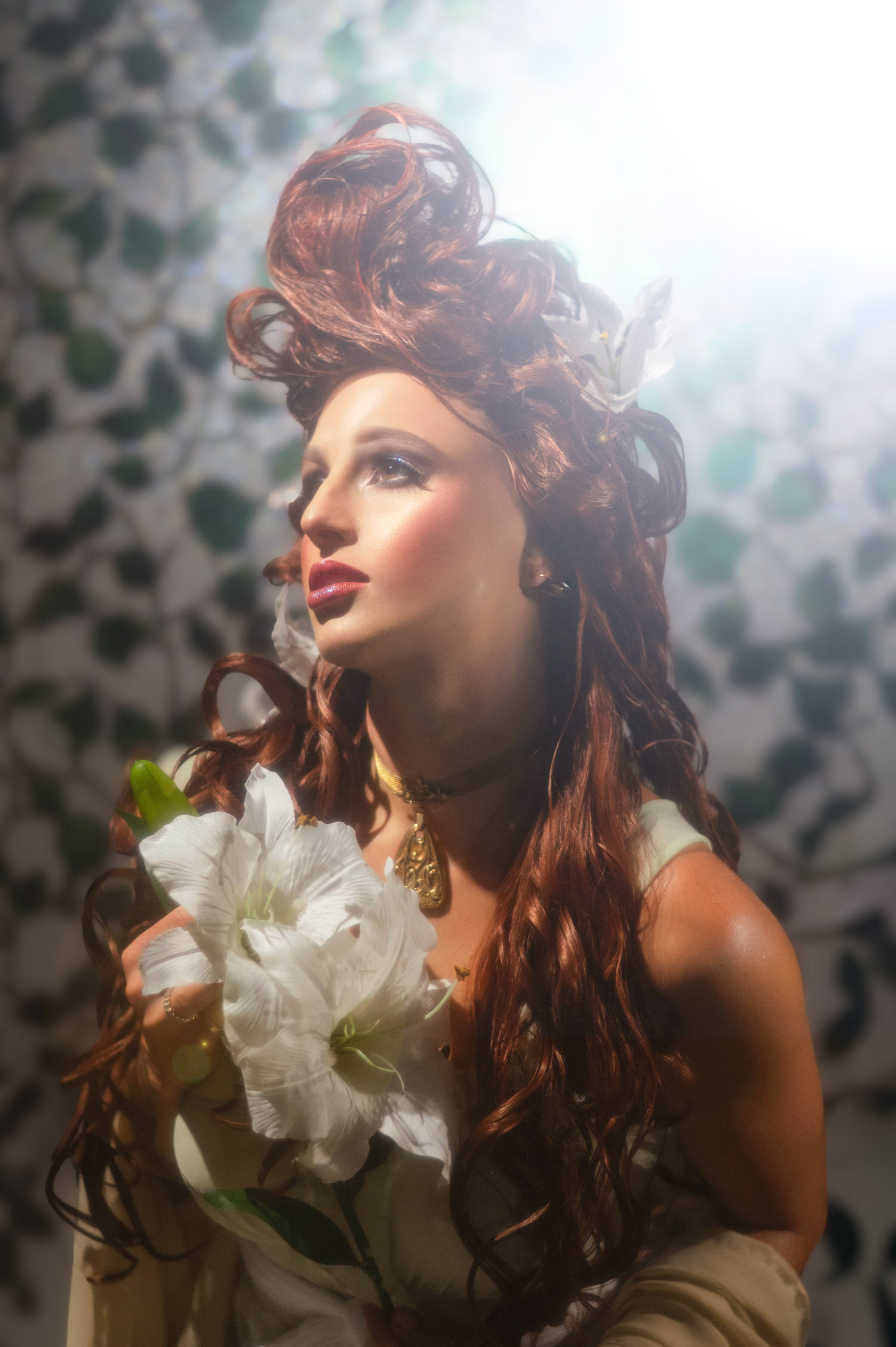
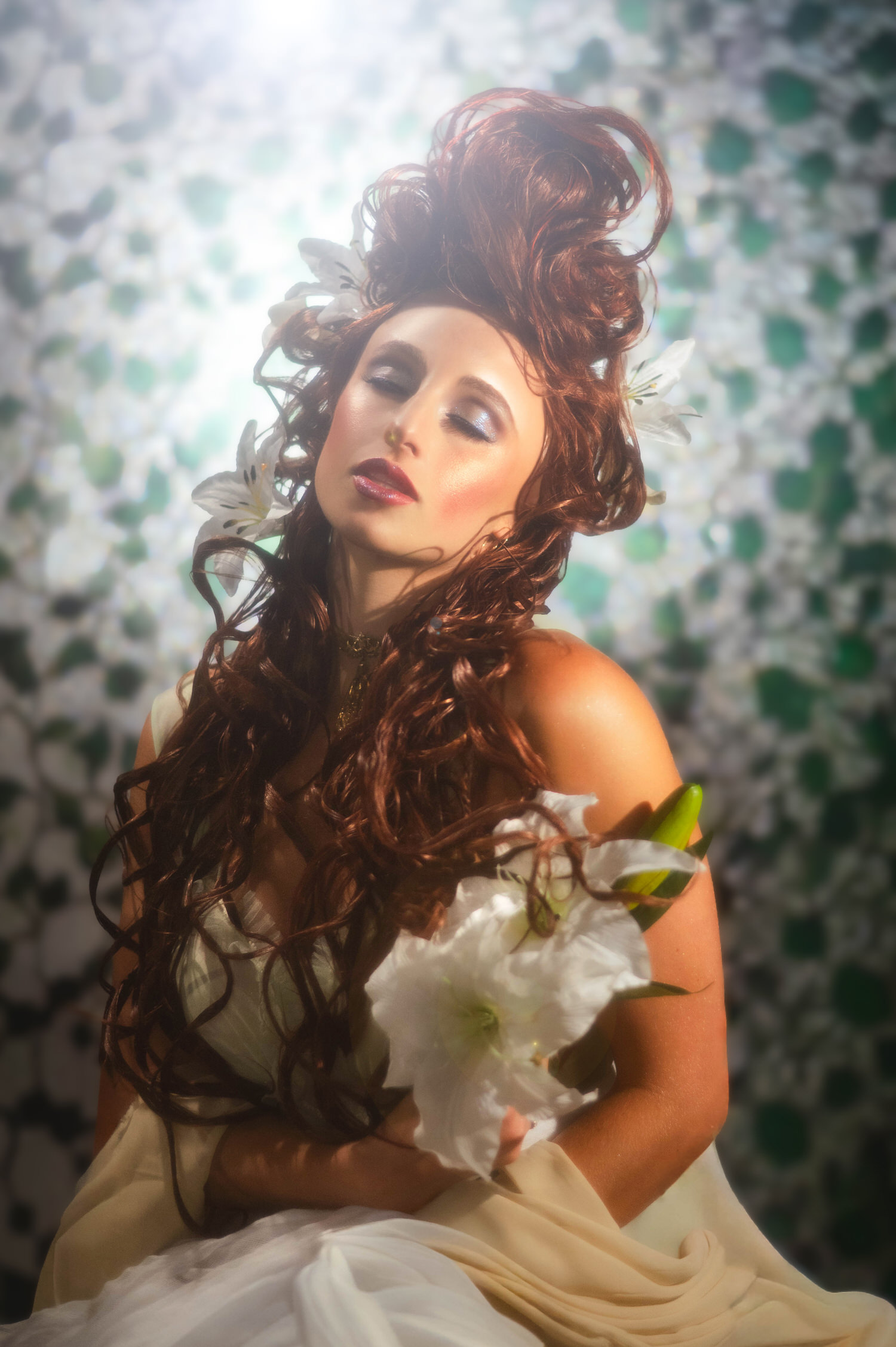
Creating the atmosphere of a Mucha painting required careful control of light and haze. My main lighting setup included the Amaran COB 60x and Amaran 200d, which allowed me to sculpt directional light with soft diffusion. These lights gave that signature painterly glow while maintaining skin texture and color depth.
For accents and rim lighting I used a Neewer portable photography flashlight, adding subtle backlight to highlight hair movement and metallic accessories. To finish the atmosphere, I introduced a fog machine from Amazon, a simple but powerful tool that softened the light and added a cinematic haze reminiscent of aged prints.
Art Nouveau Inspiration: The Symbolism of Nature and Ornament
One of my favorite aspects of Art Nouveau is how it dissolves the boundary between human and nature. Hair becomes vine, dress becomes petal, backdrop becomes landscape. For this shoot I treated every visual element as part of that continuum.
The lilies represented renewal and divine femininity. The pomegranate symbolized both temptation and knowledge, a reference that spans mythology from Persephone to Eve. The glass orb embodied celestial mystery and enlightenment.
Even the fabrics themselves played a role: their draping mirrored Mucha’s stylized linework while suggesting movement and sensuality without exposure. Every texture, color, and gesture tied back to Art Nouveau inspiration.
Art Nouveau Style in Modern Day
Art Nouveau was more than a style; it was a philosophy that saw art and life as inseparable. Every object, every pattern, every curve was meant to elevate the ordinary into something poetic. That belief continues to inspire me as a fine art photographer.
This Art Nouveau photoshoot reminded me that creativity can be ornamental, that emotion can be decorative, and that softness can be a statement. Photographing Allie in this world of curves and color felt like collaborating not only with my team but with history itself.
Closing Thoughts: Living Art in the Modern Age
This session was both homage and reinvention, a way to let Alphonse Mucha’s vision breathe again through modern eyes. Allie embodied the strength of his muses, while LaDonna’s artistry in hair and makeup elevated the entire creative process.
As a photographer, these are the moments I live for: when concept, craft, and collaboration converge into something that feels eternal.
If this style of imagery speaks to you, if you’ve ever wanted to see yourself transformed into living artwork, I invite you to create your own fine art session with me at Royal Lune Studio in the Dallas area. Whether inspired by Art Nouveau, mythology, or your own story, we can design a portrait experience that captures your poetic self in a way that feels timeless.